Create Account
The pursuit of humanoid robots stands as one of the most ambitious and transformative endeavors in robotics and artificial intelligence. These machines, designed to imitate the human body’s shape and movements, represent not just mechanical ingenuity but a profound shift in how technology integrates into everyday human life. Moving beyond industrial automation, humanoid robots are envisioned as companions, assistants, and collaborators capable of functioning in social environments that were once solely the domain of humans. This transformation is not merely about machines performing tasks; it is about crafting entities that can understand, communicate, and respond with nuance and empathy, bridging the gap between technology and human experience.
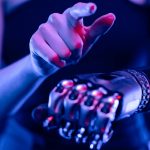
What sets humanoid robots apart is their form factor—built with a head, torso, two arms, and legs, mirroring human anatomy. This design is not purely aesthetic; it allows robots to interact with tools, environments, and systems originally created for humans. For example, a humanoid robot can open doors, climb stairs, or pick up objects with fingers engineered for dexterity. Achieving smooth bipedal locomotion remains one of the greatest technical challenges because it requires maintaining balance while coordinating multiple joints, muscles, and sensors simultaneously. Innovations in actuator technology, such as artificial muscles and flexible joints, along with sophisticated balance algorithms, have pushed robots closer to walking, running, and even dancing like humans.
The sensory capabilities of humanoid robots have advanced significantly. Equipped with cameras that mimic human vision, microphones capturing speech nuances, and touch sensors that provide feedback on pressure and texture, these robots can perceive their surroundings in rich detail. The fusion of sensor data allows them to navigate complex, unpredictable environments, avoiding obstacles and interacting with objects and people safely. This perceptual sophistication enables humanoids to perform roles ranging from customer service representatives in shopping centers to assistants helping the elderly live independently at home.
Artificial intelligence is the cognitive engine powering humanoid robots’ ability to interact socially and make decisions. Natural language processing allows them to understand spoken commands and engage in meaningful conversation. Through machine learning, humanoids improve their performance over time, adapting to individual preferences and learning new tasks autonomously. Emotional recognition technologies enable robots to detect human moods through facial expressions and tone of voice, allowing empathetic responses that make interactions feel more genuine and supportive. This emotional intelligence is crucial in caregiving roles, where sensitivity to human feelings enhances trust and compliance.
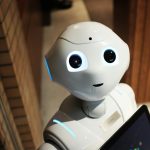
One of the most promising applications of humanoid robots is in healthcare. As populations age and healthcare demands grow, humanoid robots provide solutions to ease the burden on human caregivers. They can assist with routine tasks like medication reminders, mobility support, and monitoring vital signs, freeing medical professionals to focus on more complex care. Beyond physical assistance, humanoid robots offer social interaction that combats loneliness and cognitive decline, providing companionship to patients who might otherwise feel isolated. Some hospitals have begun deploying humanoids to greet visitors, provide information, and even entertain children, illustrating their versatility.
In educational settings, humanoid robots open new pathways for personalized learning. They can serve as tutors that adapt to each student’s pace and style, offering interactive lessons and immediate feedback. Their engaging, human-like presence helps motivate students, particularly in STEM education, by making technology tangible and approachable. Additionally, humanoid robots support special education by assisting students with disabilities through customized interactions that accommodate diverse needs.
Industrial and commercial sectors benefit from humanoid robots’ flexibility. Unlike traditional robots fixed to assembly lines, humanoids can move through complex environments, use tools, and handle a variety of objects with human-like precision. This adaptability reduces the need for costly infrastructure changes and enables robots to take on new roles quickly. For example, in warehouses, humanoids can pick, sort, and transport goods, working alongside human staff to increase efficiency. In hospitality, humanoid robots greet guests, provide directions, and enhance customer service experiences with their personable demeanor.
Despite their promise, humanoid robots face ethical and societal challenges. Their increasing presence in private and public spaces raises questions about privacy, data security, and consent. Robots’ ability to record conversations and monitor environments must be balanced with stringent protections to safeguard individual rights. Furthermore, the psychological impact of interacting with lifelike machines requires careful consideration. While some users may find humanoid robots comforting and empowering, others may experience discomfort or confusion, highlighting the importance of designing robots that respect human boundaries and clearly communicate their artificial nature.
The economic implications of humanoid robots also demand attention. Automation enabled by humanoids has the potential to disrupt labor markets, especially in caregiving, customer service, and manufacturing. While robots can relieve humans of dangerous or repetitive work, they may also displace jobs, underscoring the need for proactive policies that support workforce transition through education and retraining. Ensuring equitable access to the benefits of humanoid robotics is crucial to avoid widening social inequalities.
Technological challenges remain significant. Power supply limitations constrain the operational time of humanoid robots, requiring breakthroughs in energy storage and efficiency. Durability and maintenance issues arise from the complex mechanical systems needed to mimic human motion. Additionally, the development of ethical AI algorithms that enable safe, unbiased decision-making is an ongoing area of research. Building trust in humanoid robots depends on transparency about their capabilities and limitations.
Research in humanoid robotics draws from diverse fields—mechanical engineering, computer science, cognitive psychology, and ethics. Collaboration across disciplines fosters innovation and helps address the multifaceted challenges of creating robots that can coexist harmoniously with humans. Insights into human motor control inform robot movement, while studies of social interaction guide the programming of conversational behaviors and emotional responses.
Culturally, humanoid robots influence and are influenced by societal narratives about technology. Science fiction has long imagined humanoids as helpers, threats, or mirrors to humanity’s own nature. These stories shape public perceptions, expectations, and fears. As real-world humanoid robots become more common, engaging the public in dialogue about their role, benefits, and risks is vital for informed acceptance and ethical governance.
Looking forward, the future of humanoid robots promises increasingly seamless integration into daily life. Advances in artificial intelligence, materials science, and connectivity will make robots more capable, affordable, and adaptable. Robots may evolve from specialized assistants to ubiquitous partners enhancing education, healthcare, work, and social connection. The challenge lies in guiding this evolution responsibly, ensuring that humanoid robots amplify human potential while respecting human values.
Ultimately, humanoid robots embody a profound intersection of technology and humanity. They reflect our desire to understand ourselves by creating machines in our likeness, to extend our abilities, and to enrich our social environments. The journey to perfect humanoid robots is ongoing, blending innovation with reflection, engineering with empathy. As we advance, these robots will not only transform how we live and work but also challenge us to rethink what it means to be human in an increasingly interconnected, intelligent world.