Create Account
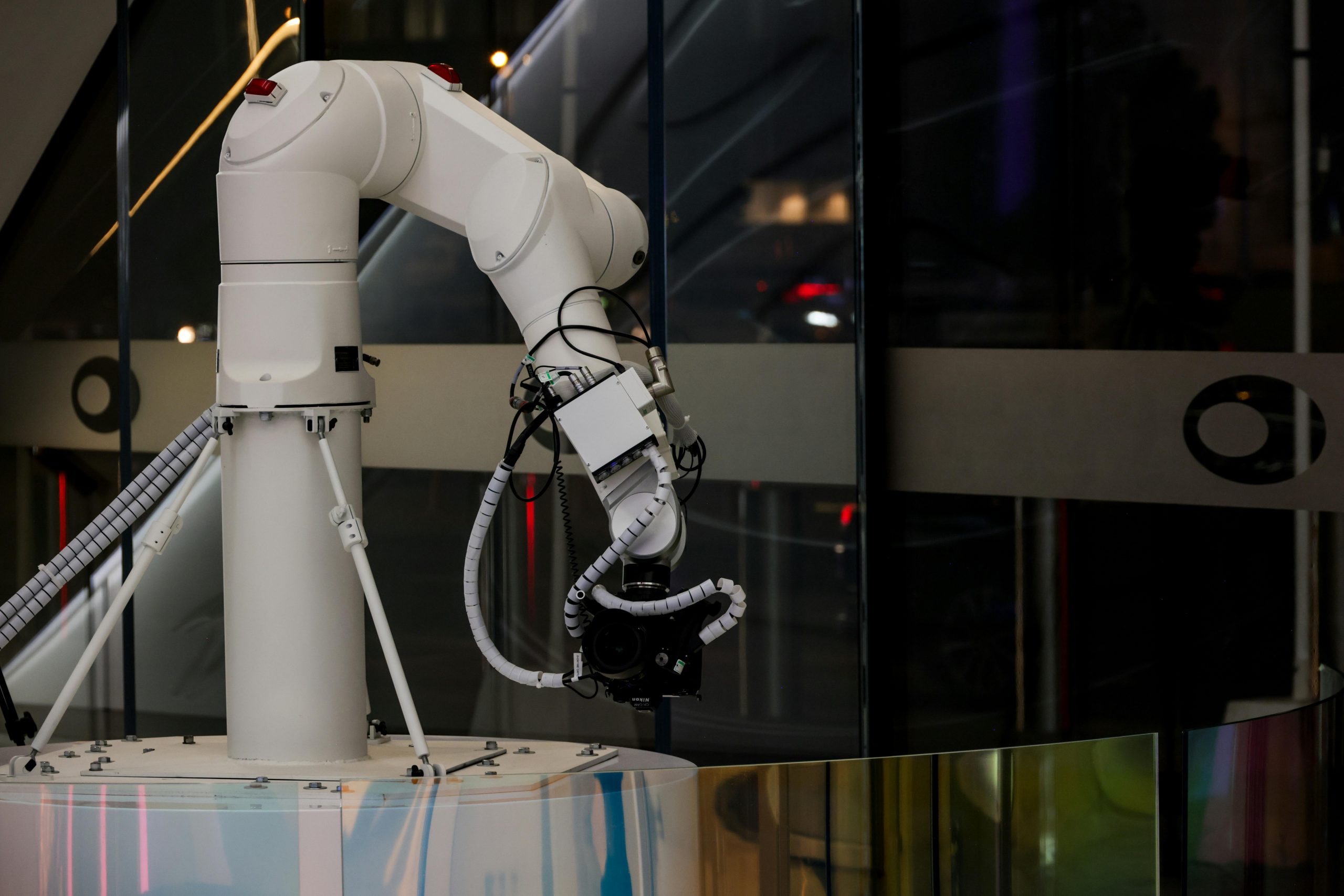
The landscape of science and technology is evolving faster than ever before, weaving itself into nearly every facet of our daily lives. From the smartphones in our hands to the satellites orbiting our planet, scientific discovery and technological innovation are continuously pushing the boundaries of what is possible. These advancements promise not only to improve quality of life but also to address some of the world’s most urgent challenges, including climate change, healthcare, and sustainable development.
One of the most exciting areas of growth lies in the realm of artificial intelligence (AI) and machine learning. AI systems have transcended basic automation to become powerful tools capable of analyzing complex data sets, recognizing patterns, and making predictions that assist human decision-making. Industries such as finance, agriculture, and healthcare are leveraging AI to optimize operations, improve outcomes, and create new business models. For example, precision agriculture uses AI-driven analytics to monitor soil health and crop growth, enabling farmers to use resources more efficiently and increase yields sustainably.
Advances in materials science are driving innovation across multiple industries. The development of smart materials—those that can respond to environmental changes or self-heal after damage—is opening new possibilities in manufacturing, construction, and medicine. Nanomaterials, which manipulate matter at the atomic scale, offer breakthroughs in electronics, energy storage, and drug delivery systems. These innovations are key to creating products that are lighter, stronger, and more adaptable than ever before.
Healthcare technology is experiencing a paradigm shift, fueled by breakthroughs in genomics, telemedicine, and wearable devices. The ability to sequence genomes quickly and affordably is transforming personalized medicine, enabling treatments tailored to an individual’s genetic profile. Telehealth platforms have expanded access to medical care, particularly in remote or underserved regions, while wearable health monitors provide continuous data that help detect conditions early and manage chronic diseases effectively.
The energy sector is undergoing rapid transformation as well. The transition to renewable energy is being accelerated by improvements in solar and wind technologies, battery storage, and grid management systems. Innovations such as floating offshore wind farms and perovskite solar cells are increasing the efficiency and scalability of clean energy solutions. At the same time, smart grid technologies enable more resilient and flexible electricity networks that can adapt to fluctuating energy production and consumption patterns.
Space exploration is entering a new golden age, driven by both government agencies and private companies. The focus has expanded from simply reaching space to creating sustainable human presence beyond Earth. Projects to build lunar habitats, mine asteroids for resources, and send crewed missions to Mars are progressing with technological advances in propulsion, life support, and robotics. These endeavors inspire technological spin-offs that benefit other sectors on Earth, highlighting the interconnectedness of exploration and innovation.
The digital revolution continues to reshape how we communicate, learn, and work. High-speed internet access, cloud computing, and mobile technologies have transformed global connectivity. Emerging technologies like blockchain are enhancing security and transparency in digital transactions, while augmented reality (AR) and virtual reality (VR) offer immersive experiences that are changing entertainment, education, and training.
Despite these exciting advances, the rapid pace of science and technology development presents challenges. Issues such as digital privacy, cybersecurity risks, and ethical concerns about AI and biotechnology require careful consideration. Furthermore, there is a critical need to address inequalities in access to technology, which if left unchecked, could exacerbate social and economic divides.
Education and policy must evolve to keep pace with these changes. Investing in STEM education, fostering digital literacy, and supporting lifelong learning are essential strategies to prepare individuals and societies for the future. Likewise, forward-thinking regulatory frameworks and international cooperation are necessary to ensure that technological progress is responsible and inclusive.
In summary, science and technology are not just tools for progress; they are catalysts that can redefine human potential and societal development. As we stand on the cusp of unprecedented innovation, embracing these advances with a focus on sustainability, ethics, and equity will be crucial to unlocking a future that benefits all of humanity.