Create Account
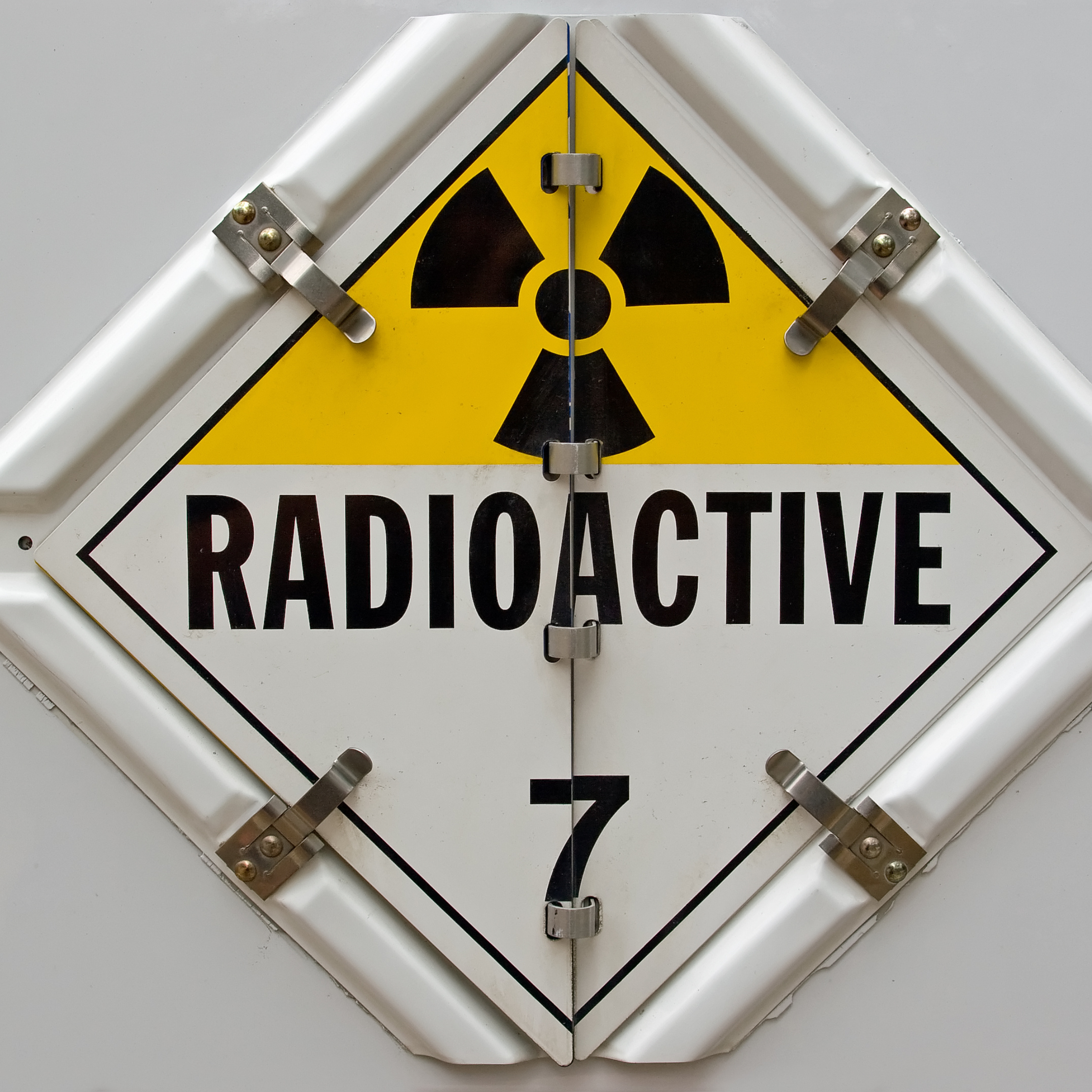
Radioactive elements have fascinated scientists, policymakers, and the public for over a century. These elements, characterized by their unstable atomic nuclei and spontaneous emission of radiation, play crucial roles in energy production, medicine, scientific research, and even environmental processes. Yet, they also pose risks and challenges that require careful management and understanding. This blog explores what radioactive elements are, their properties, applications, and the balance between their benefits and hazards.
What Are Radioactive Elements?
At the atomic level, elements are defined by their number of protons in the nucleus. However, not all atomic nuclei are stable. Some contain an excess of energy or an imbalance in the ratio of protons to neutrons, causing them to decay spontaneously. This decay process emits radiation in the form of alpha particles, beta particles, or gamma rays, collectively known as radioactivity.
Radioactive elements can be naturally occurring or artificially produced. Naturally occurring radioactive elements include uranium, thorium, radium, and radon, all of which exist in the Earth’s crust. These elements have been present since the planet’s formation and continue to decay over geological time scales. Artificial radioactive elements, such as technetium and californium, are synthesized in laboratories and nuclear reactors and often have much shorter half-lives.
The property of radioactivity was first discovered in 1896 by Henri Becquerel, who observed that uranium salts emitted rays that could fog photographic plates. Shortly after, Marie and Pierre Curie expanded the research, discovering new radioactive elements and laying the groundwork for nuclear physics.
How Radioactive Decay Works
Radioactive decay is a random process at the level of single atoms but statistically predictable for large quantities. Each radioactive isotope has a characteristic half-life — the time it takes for half of the atoms in a sample to decay. This half-life can range from fractions of a second to billions of years.
During decay, the unstable nucleus transforms into a different nucleus, often of a different element, while releasing energy. For example, uranium-238 decays through a series of steps into lead-206, emitting alpha and beta particles along the way. This decay chain contributes to natural background radiation on Earth.
The types of radiation emitted differ in penetration and energy. Alpha particles can be stopped by a sheet of paper or skin but are harmful if ingested. Beta particles penetrate further and require materials like plastic or glass for shielding. Gamma rays are highly penetrating electromagnetic waves and necessitate dense materials like lead or concrete for protection.
Applications of Radioactive Elements
Despite their risks, radioactive elements have numerous valuable applications across multiple fields:
1. Energy Production
Radioactive isotopes are the foundation of nuclear power. Uranium-235 and plutonium-239 are fissile materials used as fuel in nuclear reactors, where controlled fission releases vast amounts of energy. Nuclear power plants provide a significant portion of the world’s electricity, offering a low-carbon alternative to fossil fuels. The long half-lives and high energy density of nuclear fuel make it attractive for large-scale power generation.
2. Medicine and Healthcare
Radioactive elements have revolutionized medical diagnostics and treatment. Radioisotopes like technetium-99m are widely used in medical imaging to diagnose conditions ranging from heart disease to cancer. Radioactive iodine-131 is employed to treat thyroid disorders by selectively targeting malfunctioning tissue.
Radiation therapy, which uses focused beams of gamma rays or beta particles, is a cornerstone in cancer treatment, destroying malignant cells while sparing surrounding healthy tissue. Additionally, radioactive tracers help scientists study biological processes, advancing medical research.
3. Scientific Research and Industry
Radioactive isotopes serve as tracers in chemistry, biology, and environmental science, allowing researchers to track processes such as metabolic pathways or pollutant dispersal. In industry, radioisotopes are used for material testing and quality control, including detecting flaws in welds or measuring thickness in manufacturing.
4. Archaeology and Geology
Carbon-14 dating uses the decay of this radioactive isotope to estimate the age of archaeological artifacts and fossils up to around 50,000 years old. Similarly, uranium-lead dating helps geologists determine the age of rocks and the Earth itself, providing insights into geological history.
Risks and Challenges
Radioactive elements, due to their emission of ionizing radiation, pose health and environmental risks. Exposure to high doses of radiation can damage cells and DNA, leading to radiation sickness, cancer, or genetic mutations. Proper handling, storage, and disposal are critical to minimizing these risks.
Nuclear accidents, such as Chernobyl in 1986 and Fukushima in 2011, highlight the potential dangers of radioactive materials. These incidents resulted in widespread contamination, long-term health effects, and environmental damage, reinforcing the need for stringent safety standards.
Radioactive waste disposal remains a major challenge. Spent nuclear fuel and other radioactive byproducts must be isolated for thousands of years to prevent contamination. Deep geological repositories are considered the safest solution, but political and social acceptance varies widely.
Radioactive Elements in the Environment
Radioactive elements naturally exist in the environment and contribute to background radiation. Radon gas, a decay product of uranium in the soil, can accumulate in homes and is a leading cause of lung cancer after smoking. Understanding and mitigating radon exposure is a public health priority in many regions.
Radioactivity also plays a role in natural processes. For example, heat generated by radioactive decay within Earth’s core drives plate tectonics and volcanic activity, shaping the planet’s surface.
The Future of Radioactive Elements
Research into radioactive elements continues to advance, particularly in developing safer and more efficient nuclear reactors. Innovations such as small modular reactors (SMRs) and thorium reactors promise enhanced safety, reduced waste, and better fuel utilization.
In medicine, targeted alpha therapy and other novel radioisotope treatments are emerging as promising cancer therapies. Advances in nuclear imaging continue to improve diagnostic accuracy.
Moreover, the study of radioactive isotopes on other planets and moons is becoming important in space exploration. Radioisotope thermoelectric generators power spacecraft like the Mars rovers, enabling long missions far from the Sun.
Radioactive elements embody a powerful duality—they offer tremendous benefits in energy, medicine, and science, while requiring respect and caution due to their inherent dangers. Understanding their properties, applications, and risks is essential for harnessing their potential responsibly. As technology evolves, radioactive elements will continue to play a vital role in shaping our world, from powering cities and healing patients to unlocking the mysteries of the Earth and beyond.