Create Account
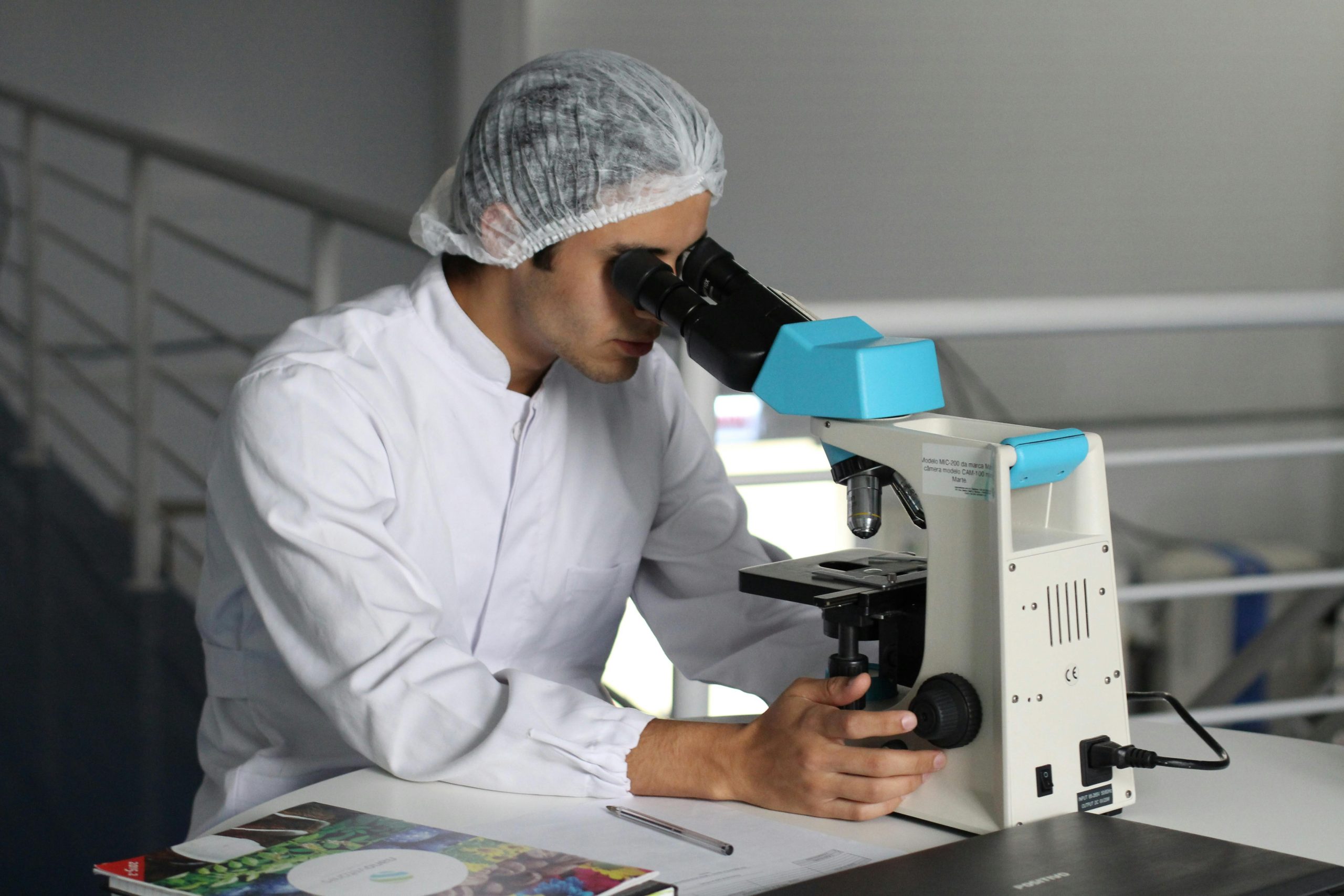
This month in science and technology has been defined by rapid progress, thoughtful debate, and innovations that continue to reshape how humans live, work, and understand the world. From breakthroughs in artificial intelligence and space science to advances in energy, healthcare, and digital infrastructure, the pace of development highlights a future that is increasingly interconnected and data-driven. In this edition of 3iAtlas – This Month, we explore the most significant science and technology developments that made headlines and why they matter.
Artificial intelligence remained at the center of global attention this month, not only because of its expanding capabilities but also due to discussions around responsible use. New generative AI models demonstrated improved reasoning, multimodal understanding, and efficiency, allowing them to process text, images, audio, and video more seamlessly than before. These advancements are accelerating productivity across sectors such as education, software development, research, and creative industries. At the same time, governments and organizations intensified conversations around AI governance, focusing on transparency, bias mitigation, and ethical deployment. This balance between innovation and regulation is becoming a defining feature of AI’s evolution.
In healthcare technology, researchers reported encouraging progress in early disease detection and personalized treatment. AI-powered diagnostic tools showed higher accuracy in identifying conditions such as cancer, cardiovascular disease, and neurological disorders from medical imaging and patient data. Wearable health devices also took a step forward, with new sensors capable of monitoring stress, blood pressure, and metabolic indicators in real time. These developments point toward a future where healthcare is more proactive than reactive, shifting focus from treatment to prevention and continuous monitoring.
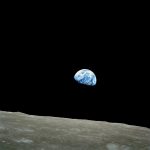
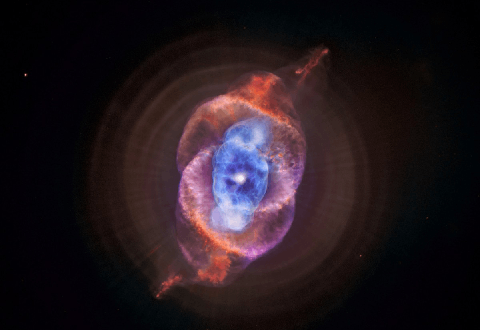
Space science and exploration also delivered notable updates this month. Space agencies and private companies continued testing reusable launch systems, aiming to reduce the cost and environmental impact of space travel. New satellite deployments improved Earth observation, enabling more precise climate monitoring, disaster prediction, and agricultural planning. Astronomers, using advanced telescopes, reported fresh insights into distant galaxies and exoplanets, bringing scientists closer to understanding how planetary systems form and whether life could exist beyond Earth. These discoveries reinforce the idea that space research is not only about exploration but also about improving life on Earth through data and innovation.
Energy and environmental science featured prominently in this month’s science and technology news. Breakthroughs in battery technology showed promise for longer-lasting and faster-charging energy storage solutions, a critical step for the widespread adoption of electric vehicles and renewable energy systems. Researchers also announced progress in green hydrogen production, offering a cleaner alternative for industries that are difficult to electrify. Climate science updates emphasized improved modeling techniques that allow scientists to predict extreme weather events with greater accuracy, giving governments and communities better tools to prepare for climate-related risks.
The field of computing experienced meaningful shifts as well. Advances in quantum computing research demonstrated more stable qubits and improved error correction, moving the technology closer to practical applications. While large-scale quantum computers are still years away, these developments suggest future breakthroughs in cryptography, materials science, and complex problem-solving. At the same time, edge computing gained momentum, allowing data processing to occur closer to its source. This reduces latency and enhances performance for applications like autonomous vehicles, smart cities, and industrial automation.
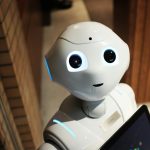
Robotics and automation continued to expand beyond factories into everyday environments. New service robots were tested in healthcare facilities, warehouses, and public spaces, assisting with tasks such as logistics, sanitation, and patient care. Humanoid and collaborative robots showed improved mobility, dexterity, and human interaction, reflecting progress in sensors, machine learning, and mechanical design. These innovations raise important discussions about workforce transformation, emphasizing the need for reskilling and education to adapt to a more automated world.
Cybersecurity remained a critical topic as digital systems grow more complex and interconnected. This month saw increased investment in AI-driven security tools capable of detecting threats in real time and responding autonomously. Researchers also highlighted vulnerabilities in emerging technologies, reinforcing the importance of building security into systems from the ground up. As more services move online and data volumes grow, cybersecurity is no longer a technical concern alone but a foundational element of economic stability and public trust.
Education and science communication benefited from technology-driven change as well. Virtual labs, AI tutors, and immersive learning platforms gained attention for their ability to make complex scientific concepts more accessible. These tools are particularly valuable in regions with limited access to traditional educational resources, helping bridge knowledge gaps and inspire the next generation of scientists and engineers. This month’s developments underscore the role of technology as a democratizing force in education.
In summary, this month’s science and technology developments reflect a world moving toward smarter systems, deeper insights, and greater responsibility. Innovation is no longer occurring in isolation; it is shaped by ethical considerations, environmental challenges, and societal needs. 3iAtlas – This Month captures a snapshot of this dynamic landscape, where breakthroughs in AI, healthcare, space, energy, and computing are collectively redefining progress. As these trends continue to evolve, one thing is clear: science and technology will remain powerful drivers of change, demanding both curiosity and care as we map the future ahead.