Create Account
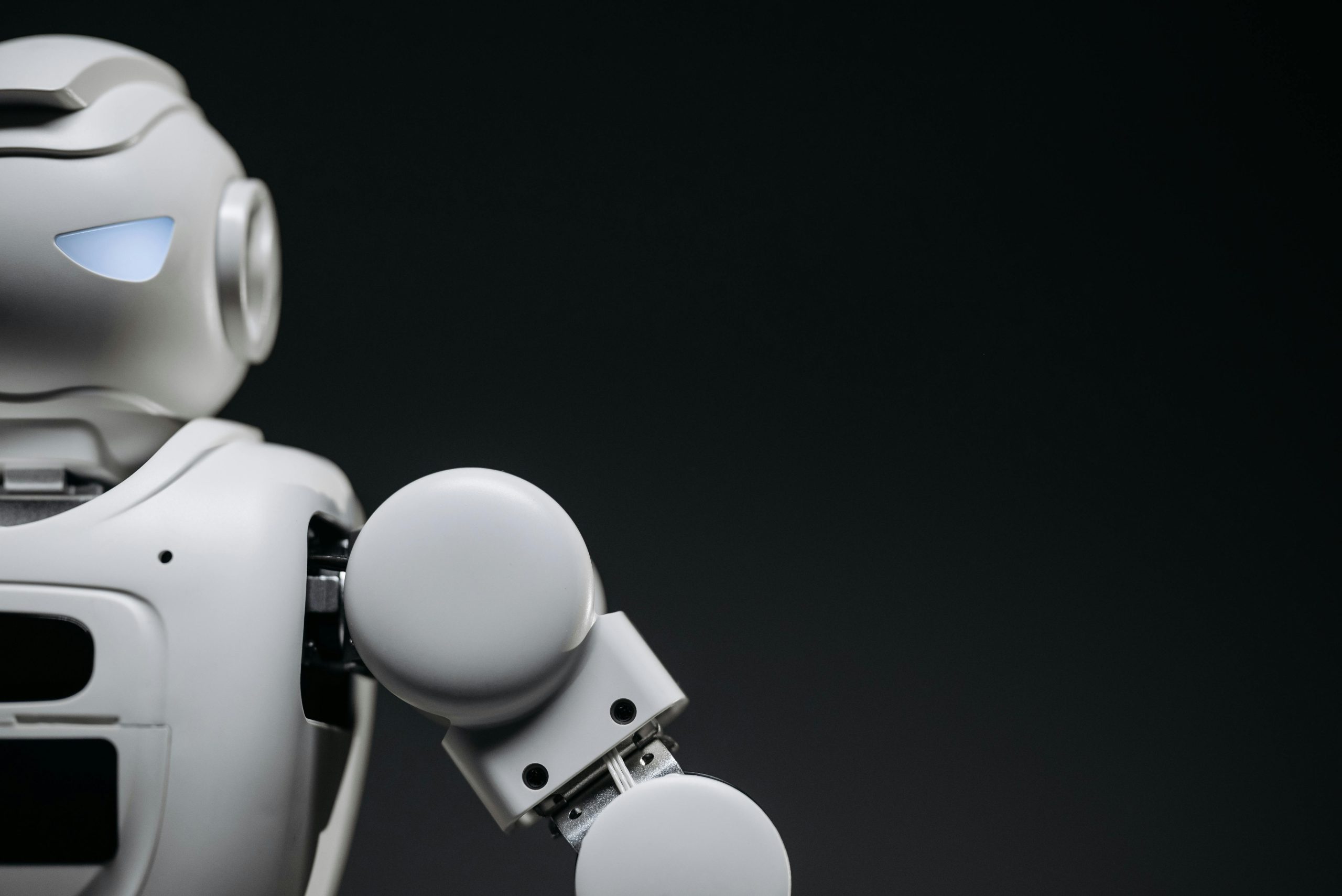
The emergence of humanoid robots marks a defining moment in the relationship between humans and machines, and Neo stands as one of the most compelling representations of this shift. More than a mechanical system or a technical experiment, Neo represents a new class of intelligent, embodied technology designed to operate alongside humans in real-world environments. As artificial intelligence moves beyond screens and software, Neo illustrates what happens when intelligence gains a physical presence.
Neo is not simply about automation. It is about interaction, adaptability, and collaboration. Built to navigate spaces designed for humans, understand context, and respond in real time, Neo reflects a broader transformation in how technology integrates into everyday life. Its development signals a move away from narrow, task-specific machines toward general-purpose humanoid systems capable of learning and evolving over time.
The Vision Behind Neo
At the heart of Neo lies a clear vision: to create a humanoid robot that can seamlessly integrate into human environments without requiring those environments to change. Unlike traditional robots confined to factories or controlled settings, Neo is designed to function in dynamic, unpredictable spaces such as workplaces, public facilities, and shared human environments.
This vision is rooted in the belief that the most effective robots will adapt to humans, not the other way around. Neo’s human-like form is intentional, enabling it to use standard tools, move through existing infrastructure, and communicate in ways that feel intuitive. The goal is not imitation for spectacle, but compatibility for usefulness.
Intelligence With a Physical Presence
What distinguishes Neo from earlier robotic systems is the integration of advanced artificial intelligence with embodied movement. Neo is powered by AI models capable of perception, reasoning, and learning, allowing it to interpret visual, spatial, and sensory data in real time. This enables Neo to make decisions based on context rather than fixed instructions.
Neo’s intelligence is not centralized in a single algorithm, but distributed across perception, control, and decision-making layers. This architecture allows for flexibility and resilience, enabling Neo to adapt when conditions change or when unexpected obstacles arise. Over time, Neo’s learning systems allow it to refine its behavior through experience, improving performance while maintaining safety constraints.
Design and Mobility: Built for the Human World
Neo’s humanoid design is central to its purpose. With a body structure that mirrors human proportions, Neo can walk, balance, and manipulate objects in environments built for people. Advances in actuators, joint mechanics, and balance control allow Neo to move with increasing stability and efficiency, even on uneven surfaces.
Mobility is complemented by dexterity. Neo’s hands and arms are engineered for precision, enabling it to grasp, lift, and interact with a wide range of objects. This capability is essential for practical deployment, as real-world tasks rarely conform to rigid or predictable patterns. Neo’s physical design reflects years of progress in robotics engineering, translating research breakthroughs into functional capability.
Practical Applications Taking Shape
Neo’s potential applications span multiple sectors, reflecting its general-purpose design. In industrial and logistics environments, Neo can assist with material handling, inspection, and repetitive support tasks, reducing physical strain on human workers. In commercial and public settings, Neo can support facility operations, basic customer assistance, and routine monitoring.
In healthcare and care environments, Neo’s role is envisioned as supportive rather than substitutive. It can assist with non-clinical tasks, deliver supplies, provide mobility support, or perform routine checks, allowing human professionals to focus on care that requires empathy and judgment. Across these contexts, Neo is positioned as a collaborative presence rather than an autonomous replacement.
Human–Robot Collaboration at the Core
Collaboration is central to Neo’s design philosophy. Rather than operating in isolation, Neo is intended to work alongside humans, responding to cues, adapting to workflows, and supporting shared objectives. Its interaction models emphasize predictability, transparency, and safety, which are essential for building trust.
Neo’s development reflects a growing understanding that the success of humanoid robots depends as much on social integration as on technical capability. Clear communication, understandable behavior, and consistent performance are critical factors in ensuring that humans feel comfortable working with intelligent machines.
Safety, Ethics, and Trust
As Neo becomes more capable, ethical and governance considerations become increasingly important. Operating in human spaces requires rigorous safety mechanisms, including real-time monitoring, fail-safe systems, and clearly defined operational limits. Neo is designed with layered safety controls that prioritize human well-being above task completion.
Trust extends beyond physical safety. Transparency around data usage, decision-making processes, and system limitations is essential for public acceptance. Neo’s evolution reflects a broader industry shift toward responsible AI and robotics, where ethical considerations are integrated from the earliest stages of design rather than addressed retroactively.
Economic and Workforce Implications
Neo represents a new approach to automation with meaningful implications for the workforce. By handling physically demanding or repetitive tasks, Neo can help reduce injury, fatigue, and labor shortages without eliminating the need for human expertise. New roles are also emerging around robot supervision, maintenance, training, and integration.
Rather than signaling abrupt disruption, Neo points toward a gradual reconfiguration of work. Organizations that invest early in understanding human–robot collaboration will be better positioned to adapt as humanoid systems become more prevalent.
Challenges on the Path Forward
Despite its promise, Neo’s journey is not without challenges. Technical hurdles such as energy efficiency, long-duration operation, and robustness in unstructured environments remain areas of active development. Economic considerations, including cost, scalability, and return on investment, will influence the pace of adoption.
Social acceptance is equally critical. How humans perceive and interact with Neo will shape its success as much as its technical performance. Managing expectations, avoiding overstatement, and ensuring responsible deployment are essential to sustaining trust.
Looking Ahead: Neo and the Next Phase of Robotics
Neo represents a glimpse into the next phase of humanoid robotics, where intelligence, mobility, and interaction converge. Its continued development will be shaped by real-world deployment, feedback, and collaboration across industries and disciplines. Each iteration brings humanoid robots closer to becoming a familiar presence rather than a novelty.
Over time, Neo may serve as a bridge between digital intelligence and physical action, enabling new forms of productivity and support in environments where flexibility and adaptability matter most. Its evolution reflects a broader transformation in technology—from tools we use to partners we work alongside.
A New Relationship With Intelligent Machines
Neo is more than a humanoid robot. It is a symbol of how far intelligent systems have progressed and how thoughtfully they must be integrated into human life. As Neo continues to evolve, the focus will not be on how human it appears, but on how effectively it supports human goals.
If developed and deployed responsibly, Neo has the potential to redefine collaboration between humans and machines. Not as a replacement for human intelligence, creativity, or empathy, but as a powerful extension of our ability to operate, care, and build in an increasingly complex world.