Create Account
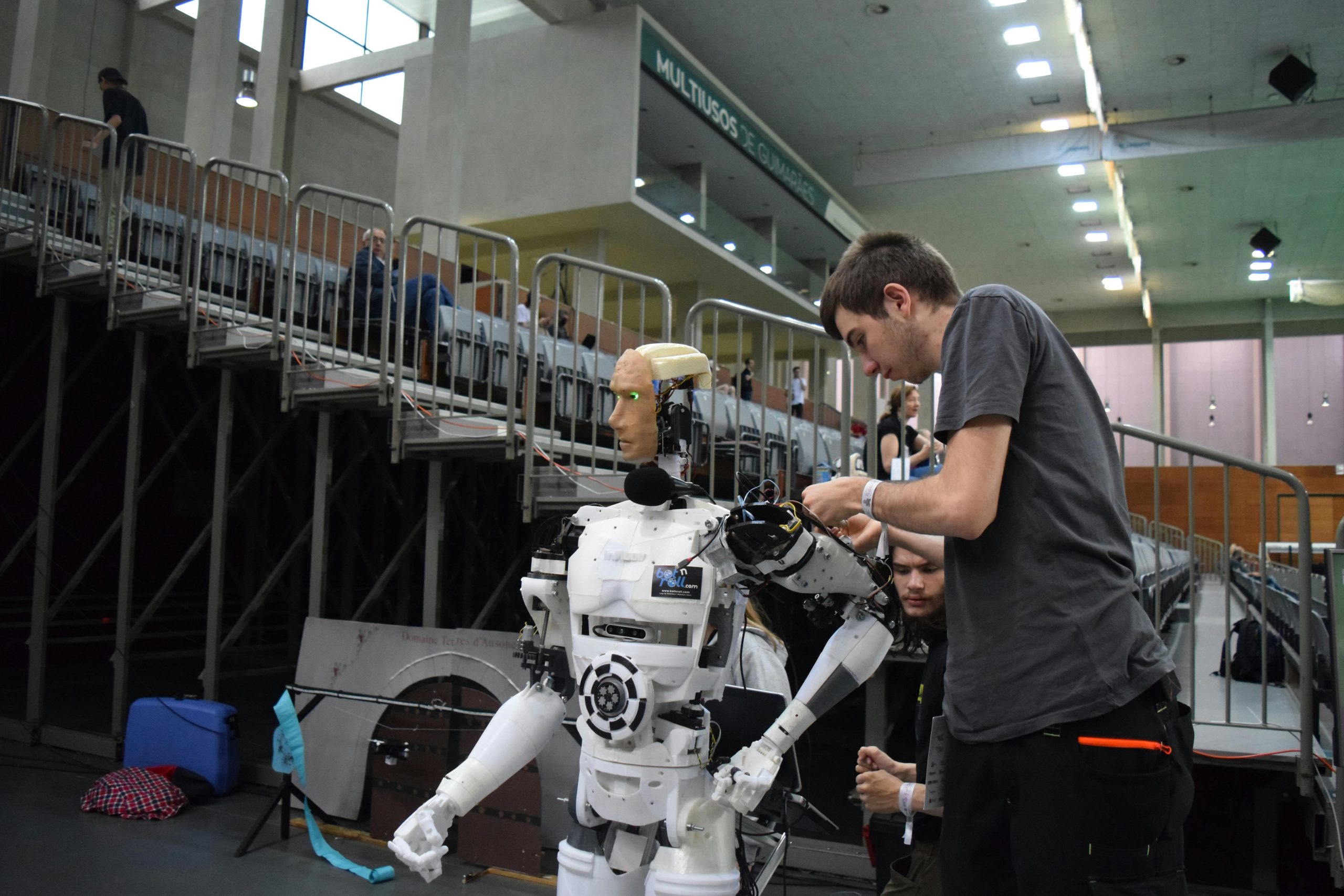
Science and technology have always shaped the trajectory of human civilization, but the current era stands apart due to the unprecedented speed and scope of innovation. Emerging technologies are no longer confined to labs or industrial settings—they are weaving deeply into the fabric of everyday life, redefining how we communicate, learn, work, and even perceive the world around us. This transformation is fundamentally altering the human experience in ways both subtle and profound.
At the heart of this change lies the concept of connectivity. The widespread adoption of the Internet of Things (IoT) has turned ordinary objects—from household appliances to city infrastructure—into smart devices capable of sharing data and interacting autonomously. This interconnected ecosystem optimizes energy use, enhances security, and improves convenience. Smart homes adjust lighting and temperature based on occupancy patterns, while intelligent traffic systems reduce congestion and pollution, demonstrating how technology integrates seamlessly with daily routines.
The digital revolution also redefines the boundaries between the physical and virtual worlds. Advances in augmented reality (AR) and virtual reality (VR) provide immersive experiences that transcend traditional media. AR applications overlay digital information onto the physical environment, aiding everything from medical surgeries to interior design. VR creates fully simulated environments for education, training, and entertainment, offering opportunities to experience distant places or practice complex tasks in safe, controlled settings.
Human-computer interaction is evolving rapidly with brain-computer interfaces (BCIs) pushing the limits of communication and control. These devices translate neural signals into commands, enabling people with disabilities to operate computers, prosthetics, or even robotic limbs. Beyond medical applications, BCIs hint at future modes of interaction where thoughts alone could control digital environments, raising exciting possibilities and complex ethical questions about privacy and autonomy.
Artificial intelligence continues to deepen its influence on human activities. AI-powered personal assistants manage schedules, recommend content, and even compose music or art. More advanced systems collaborate in scientific research, accelerating drug discovery or optimizing renewable energy grids. The challenge lies in ensuring these technologies augment rather than replace human creativity and decision-making, preserving the unique value of human insight.
In education, technology fosters personalized learning pathways. Adaptive platforms analyze student performance and adjust content delivery to maximize understanding and engagement. Gamified learning environments motivate learners by blending education with play, while collaborative online tools connect students globally, fostering cultural exchange and teamwork skills essential for the future workforce.
Healthcare is being revolutionized through wearable sensors that monitor vital signs continuously, alerting users and clinicians to health changes in real-time. Telehealth services break down geographic barriers, delivering care to remote and underserved populations. Advanced diagnostics powered by AI can detect diseases earlier and with greater accuracy, enabling timely interventions that save lives.
The entertainment and creative industries are also undergoing a metamorphosis. Digital tools democratize content creation, allowing anyone with a smartphone to produce music, film, or literature. AI-driven algorithms tailor content recommendations to individual preferences, enhancing user experience. Meanwhile, blockchain technology offers new ways to protect intellectual property and facilitate direct transactions between creators and audiences.
As these technologies become ubiquitous, questions about ethical use, data security, and equitable access take center stage. Responsible innovation demands transparent policies and inclusive dialogue among developers, users, and regulators. Addressing biases in AI systems and protecting individual privacy are critical to maintaining trust and ensuring that technology serves humanity broadly.
In conclusion, emerging technologies are reshaping human experience by blending the digital and physical, augmenting abilities, and expanding possibilities. This ongoing transformation presents exciting opportunities to enhance quality of life, foster creativity, and solve complex problems. Embracing these changes with mindfulness and ethical stewardship will be essential to crafting a future that truly benefits all.