Create Account
Neo Humanoid Robots: A New Chapter in Human–Robot Collaboration
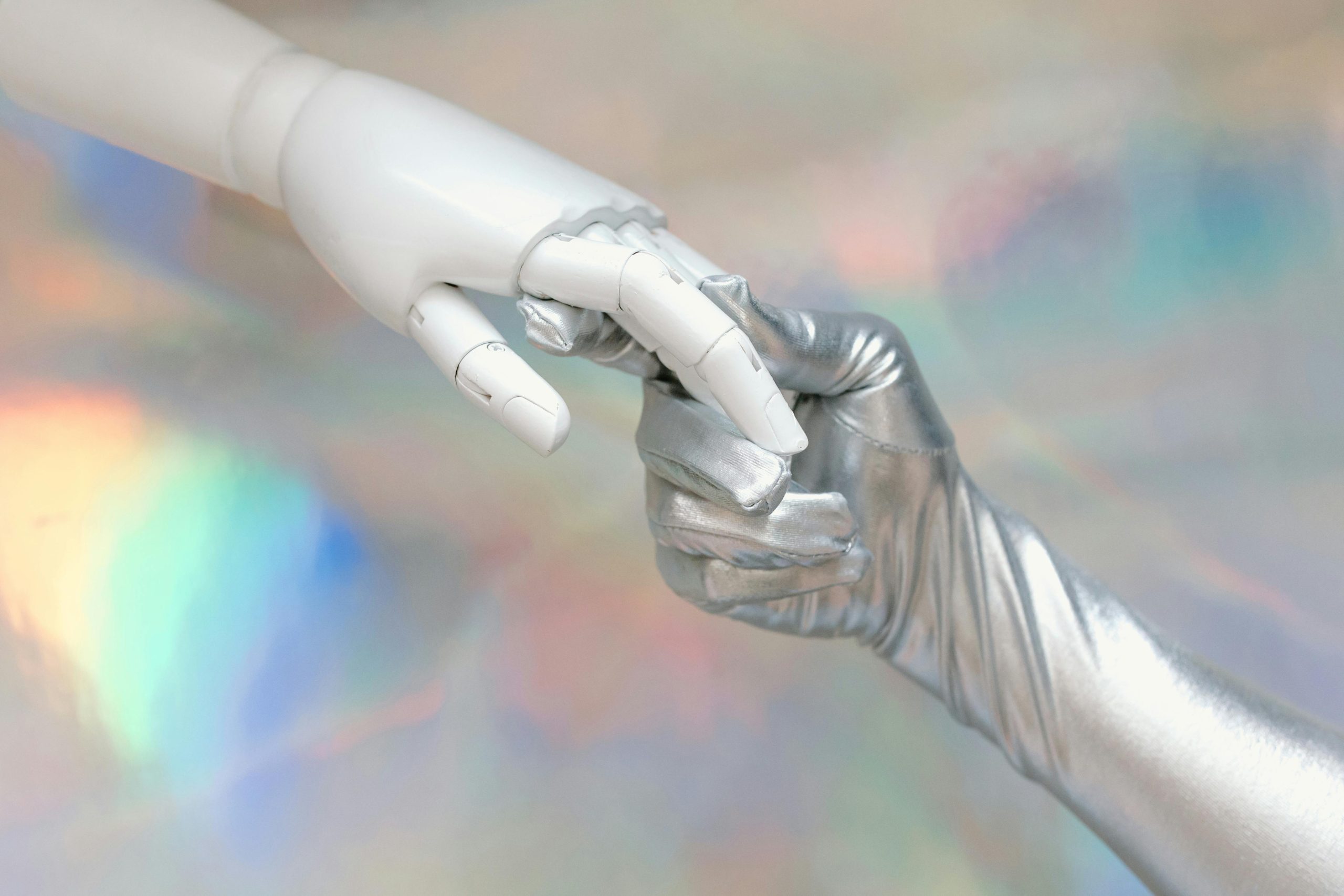
Humanoid robots have rapidly shifted from science fiction to real-world innovation, and Neo humanoid robots represent the next step in this evolution. Designed to look, move, and interact more like humans, Neo robots are redefining how machines integrate into everyday life, workspaces, and society.
At the core of Neo humanoid robots is advanced artificial intelligence. These robots are equipped with machine learning algorithms, computer vision, and natural language processing that allow them to recognize faces, understand speech, and respond intelligently to their environment. Unlike traditional robots that follow fixed instructions, Neo robots can learn from interactions and improve their performance over time.
One of the most notable features of Neo humanoids is their human-like mobility. With improved joint articulation, balance systems, and sensor feedback, they can walk smoothly, manipulate objects with precision, and perform complex tasks that require fine motor skills. This makes them suitable for roles in healthcare, logistics, customer service, and even household assistance.
In healthcare, Neo humanoid robots can assist nurses by delivering supplies, monitoring patients, or supporting elderly individuals with daily activities. In industrial environments, they can work alongside humans, handling repetitive or physically demanding tasks while improving workplace safety and efficiency. Their ability to operate in spaces designed for humans gives them a major advantage over traditional industrial robots.
Ethical and social considerations are also central to Neo’s development. Engineers are focusing on building robots that are transparent, safe, and respectful of human boundaries. The goal is not to replace humans, but to augment human capabilities, allowing people to focus on creative, strategic, and emotional work.
As technology continues to advance, Neo humanoid robots symbolize a future where humans and intelligent machines collaborate seamlessly. They highlight how science and technology are moving toward more adaptive, empathetic, and human-centered innovation—bringing us closer to a world where robots are not just tools, but trusted partners.