Create Account
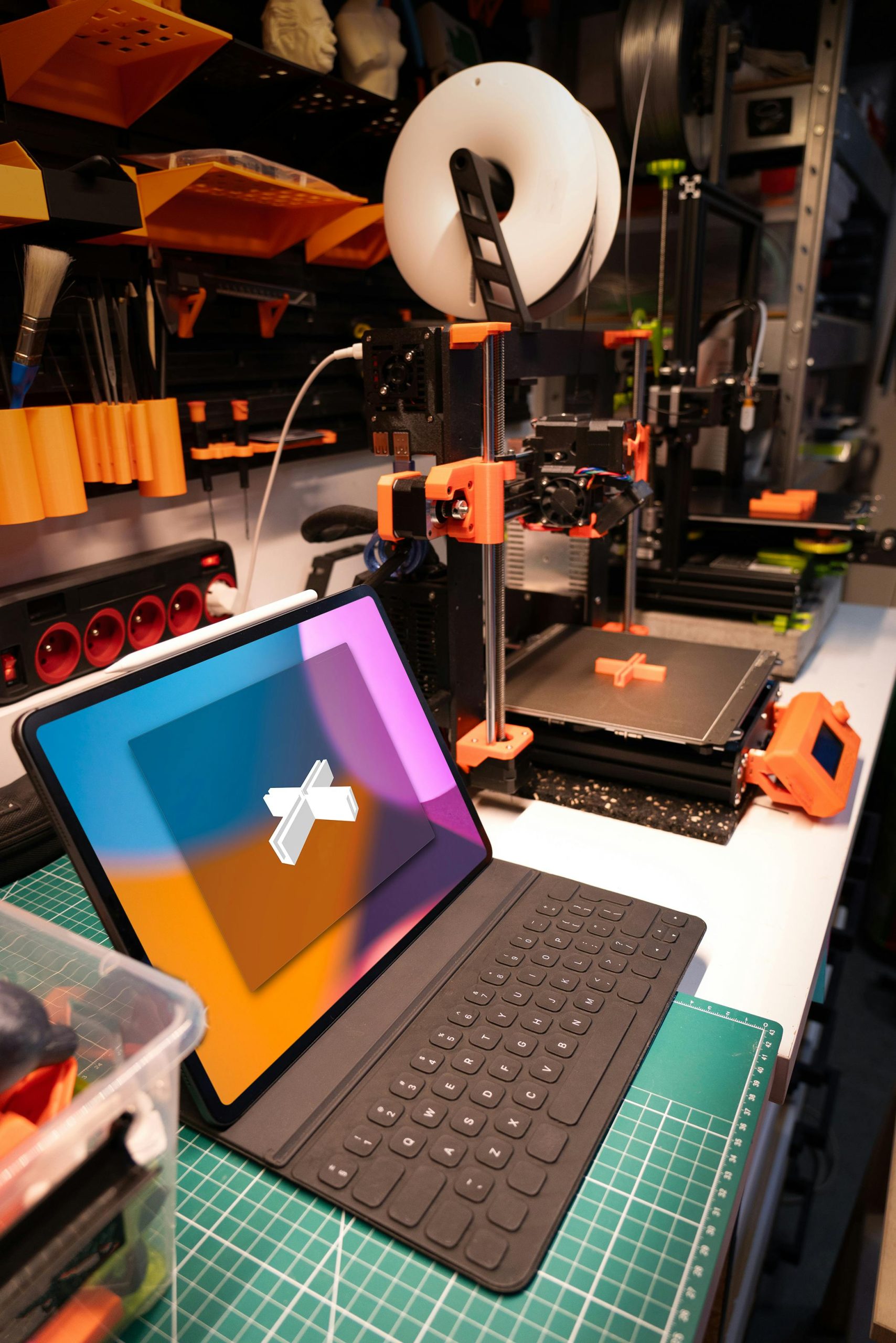
3D printing has rapidly evolved from a niche technology into a powerful tool transforming industries, creativity, and everyday life. Often called additive manufacturing, 3D printing allows you to create three-dimensional objects by layering materials based on a digital design. This technology is no longer confined to labs or big factories—it’s becoming increasingly accessible to hobbyists, entrepreneurs, and educators worldwide.
At its core, 3D printing works by reading a digital blueprint—usually a CAD (computer-aided design) file—and then depositing material layer by layer to build the object from the ground up. Unlike traditional subtractive manufacturing, where material is cut away, 3D printing minimizes waste and can produce complex geometries impossible to achieve with conventional methods.
The materials used vary widely depending on the printer type and application. Most consumer-grade 3D printers use plastics like PLA or ABS, but industrial machines can work with metals, ceramics, resins, and even biological materials for medical use. This versatility makes 3D printing applicable in countless fields.
In manufacturing, 3D printing accelerates prototyping by enabling designers and engineers to quickly iterate product designs without expensive tooling or long lead times. Automotive and aerospace companies use 3D printers to produce lightweight parts with intricate internal structures that enhance performance and reduce weight. Even the fashion industry is experimenting with 3D-printed garments and accessories, pushing the boundaries of design.
Healthcare is another field revolutionized by 3D printing. Custom prosthetics, dental implants, and even patient-specific surgical models can now be produced faster and more affordably than ever. Researchers are exploring bioprinting—layering living cells to create tissue and organs—offering hope for future organ transplants and personalized medicine.
For hobbyists and educators, 3D printers are incredible tools for learning and creativity. Schools incorporate them into STEM programs to teach students about engineering, design, and problem-solving in a hands-on way. Makerspaces around the world empower individuals to bring their ideas to life, from personalized gadgets to replacement parts for everyday objects.
Despite its benefits, 3D printing also faces challenges. Material limitations, print speed, and finish quality still lag behind traditional manufacturing for mass production. Intellectual property concerns arise as digital designs can be easily shared and copied. However, ongoing advances in printer technology, materials science, and software continue to address these hurdles.
Looking ahead, 3D printing is poised to further disrupt how we design, manufacture, and even think about objects. With growing adoption across industries and decreasing costs, this technology is democratizing production and unlocking new levels of customization and innovation.
In summary, 3D printing is much more than a trend—it’s a fundamental shift in manufacturing and creativity. Whether it’s prototyping the next breakthrough device, crafting personalized healthcare solutions, or inspiring the next generation of makers, 3D printers are turning imagination into tangible reality, one layer at a time.