Create Account
At the Coachella Valley Music and Arts Festival, a clear shift defines how modern live experiences are constructed: they are no longer designed primarily for the people physically present, but for the fragments that will circulate online. In 2026, the most important audience is often not in the crowd—it’s on the feed.
This changes everything about event design. Stages are no longer just viewing platforms; they are content generators. Lighting cues, set transitions, and visual reveals are structured to produce isolated, high-impact moments that can stand alone as clips. The goal is no longer just to sustain a performance, but to create multiple points of extraction—moments that can be lifted, shared, and recontextualized instantly.
The logic behind this is simple: full experiences are no longer the primary unit of consumption. Audiences increasingly encounter events through short-form content, where attention is measured in seconds rather than minutes. A two-hour performance is compressed into a handful of viral fragments, and those fragments often become the defining memory of the entire experience.
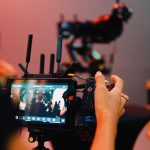
As a result, creators and organizers now anticipate the camera at every step. Choreography, staging, and even crowd interactions are often designed with framing in mind—what will look clear in a vertical video, what will loop well, what will still read visually when removed from context. The performance is built not just for sightlines in the venue, but for screens across platforms.
At Coachella specifically, this shift is amplified by density. Multiple performances, surprise appearances, and overlapping visual environments create a constant stream of potential clips. Each set competes not only for live attention, but for digital survivability—the ability to remain visible once it leaves the stage and enters the feed.
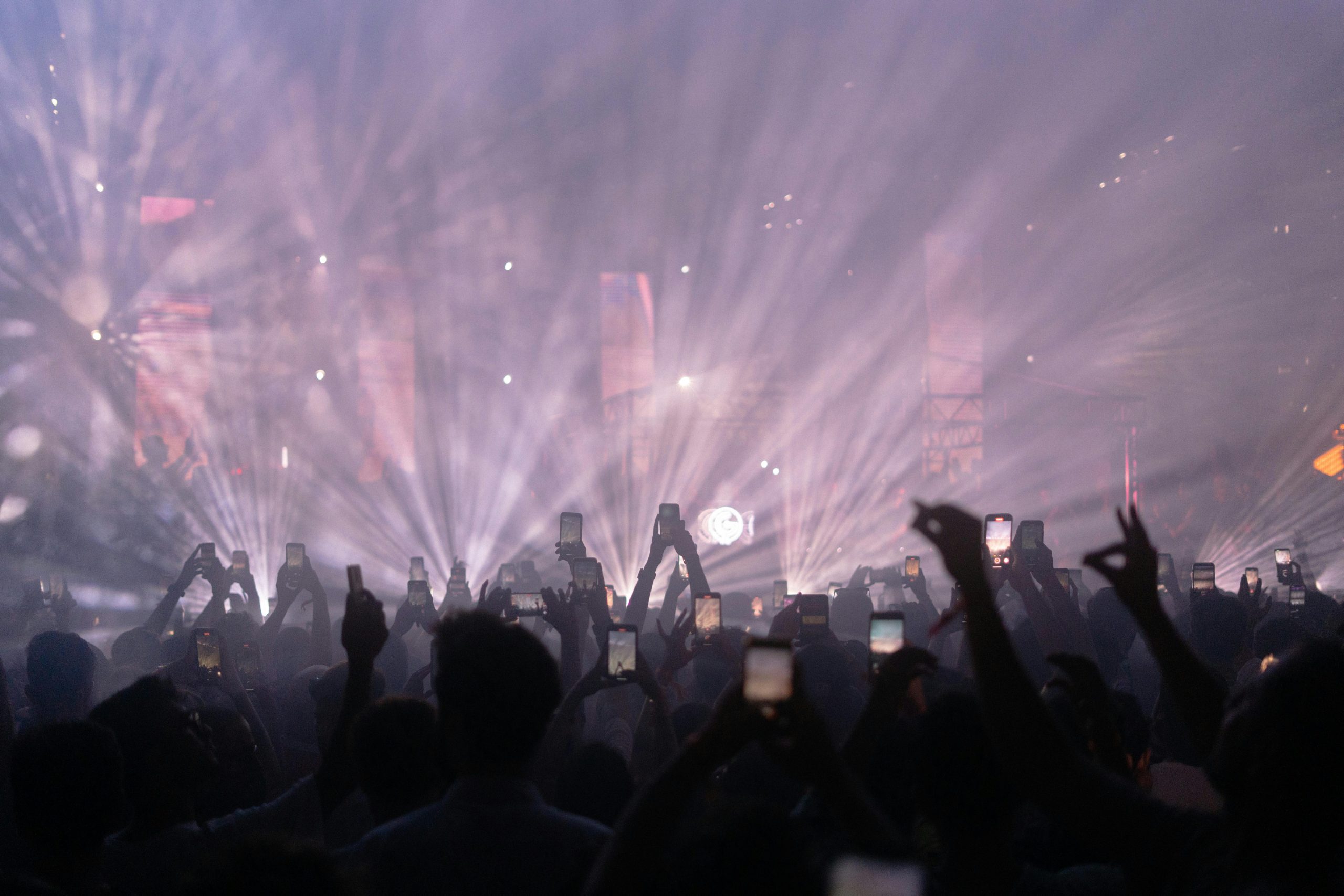
This internet-first design also affects audience behavior. Attendees are no longer just spectators; they are capture points in a larger distribution system. Phones become extensions of the event infrastructure, turning personal perspective into shareable media that feeds the broader narrative in real time.
The consequence of this system is fragmentation. Instead of one shared experience, there are thousands of micro-experiences, each shaped by what was filmed, posted, or amplified. Two people at the same performance may leave with entirely different impressions based on which clips they encountered afterward online.
Yet this fragmentation is not accidental—it is functional. It increases reach, extends lifespan, and multiplies engagement far beyond the physical event. A single moment can circulate for days, reshaped through edits, reactions, and commentary, long after the performance itself has ended.
Ultimately, events built for the internet first are not replacing live experience—they are redefining it. In 2026, the success of a moment is no longer measured by how it feels in real time alone, but by how effectively it survives outside of it. And in that system, the clip is no longer a byproduct. It is the point.