Create Account
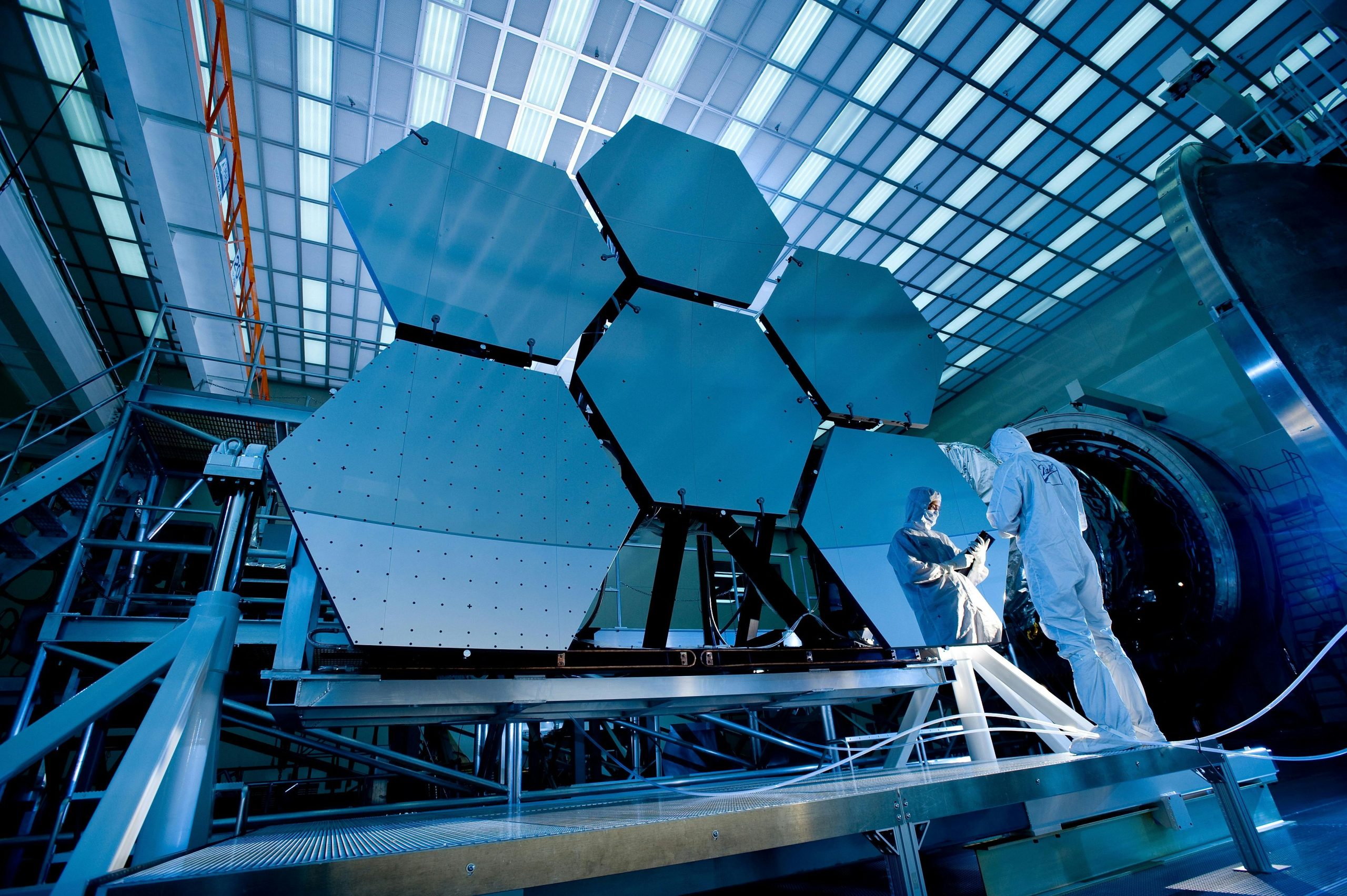
Science and technology have always been intertwined engines driving human progress, but in recent years their pace and scope have accelerated in extraordinary ways. This rapid advancement is not just about creating new gadgets or uncovering facts—it’s about fundamentally transforming how societies function, economies grow, and individuals experience life. As we look ahead, it’s clear that the frontier of innovation is expanding, powered by novel approaches and emerging fields that hold the promise to redefine our future.
One remarkable development shaping this landscape is the democratization of scientific research and technological development. Thanks to open-source platforms, affordable experimental tools, and global collaborative networks, innovation is no longer confined to elite institutions. Citizen science initiatives are involving everyday people in data collection and problem-solving, from mapping biodiversity to monitoring air quality. This inclusive approach broadens perspectives and accelerates discovery by harnessing collective intelligence and diverse talents worldwide.
The rise of edge technologies is also revolutionizing how data is collected and processed. Instead of relying solely on centralized data centers, edge computing brings processing closer to the source—whether it’s a smartphone, a sensor in a factory, or a device in a smart city. This shift reduces latency, enhances privacy, and enables real-time decision-making, which is crucial for applications such as autonomous vehicles, industrial automation, and emergency response systems.
Biotechnology is another transformative area making rapid strides. The convergence of gene editing tools like CRISPR, synthetic biology, and bioinformatics is enabling scientists to not only understand but also redesign living systems. This has profound implications for healthcare, agriculture, and environmental management. For example, engineered microbes can be tailored to clean pollutants, while gene therapies offer hope for curing previously intractable diseases. These advances also raise important ethical questions about safety, regulation, and long-term impacts that society must navigate thoughtfully.
Sustainability challenges are pushing innovation toward circular economies where waste is minimized, and materials are reused efficiently. Technologies such as advanced recycling, biodegradable materials, and carbon capture are key components of this shift. Meanwhile, smart agriculture leverages drones, satellite imagery, and AI to optimize water use, reduce pesticide application, and increase crop yields—addressing food security concerns in the face of a growing global population and climate change pressures.
Quantum science, although still emerging, is making significant progress with the potential to disrupt computing, cryptography, and materials research. Experimental quantum sensors are already surpassing classical devices in precision measurements, offering applications in fields such as navigation and medical imaging. As quantum technologies mature, they will open new avenues for solving problems that are currently intractable, ushering in a new era of technological capabilities.
In parallel, the development of human-computer interfaces is advancing towards more natural and immersive experiences. Brain-computer interfaces (BCIs) are evolving from experimental setups to practical applications that help restore mobility to disabled individuals and enhance cognitive functions. Meanwhile, augmented and virtual reality technologies are finding their way into education, training, and entertainment, creating new modes of interaction that blur the line between the physical and digital worlds.
As science and technology become ever more integrated into daily life, the question of ethical stewardship becomes paramount. Issues such as data ownership, algorithmic transparency, and equitable access to technological benefits require inclusive dialogues involving scientists, policymakers, and the public. Establishing frameworks that balance innovation with societal values is essential to ensure technology serves as a tool for empowerment rather than division.
Investment in science and technology education is critical to sustaining innovation. Encouraging creativity, critical thinking, and interdisciplinary learning prepares the workforce for the complex challenges and opportunities ahead. Equally important is fostering public understanding of science to build trust and support informed decision-making.
In conclusion, the evolving landscape of science and technology presents extraordinary possibilities for enhancing human well-being, economic development, and environmental sustainability. By embracing collaborative innovation, ethical responsibility, and education, we can harness these advancements to build a future that is not only technologically advanced but also equitable and resilient. The frontier of innovation is vast and open, inviting us all to participate in shaping the world of tomorrow.