Create Account
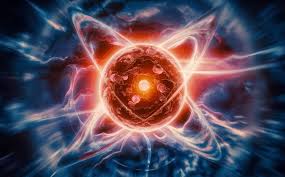
Radioactive elements occupy a fascinating and crucial place in both the natural world and human civilization. These elements, defined by their unstable atomic nuclei, undergo spontaneous transformation through radioactive decay, releasing energy in the form of radiation. This phenomenon, once a mysterious and alarming discovery, has become a cornerstone of modern science, technology, medicine, and energy production. From the deep interiors of stars to the devices in our hospitals, radioactive elements wield influence that extends far beyond their microscopic scale, shaping our understanding of matter, unlocking medical breakthroughs, and fueling debates about safety and environmental stewardship. Exploring the nature, applications, and implications of radioactive elements reveals a story of scientific ingenuity intertwined with profound responsibility.
At the heart of radioactivity lies the atomic nucleus — a dense core of protons and neutrons bound together by nuclear forces. While many elements have stable nuclei, certain isotopes feature configurations that are energetically unfavorable, leading to spontaneous decay as the nucleus seeks a more stable state. This decay process emits particles or electromagnetic waves, collectively known as radiation, which includes alpha particles (helium nuclei), beta particles (electrons or positrons), and gamma rays (high-energy photons). The specific type and energy of emitted radiation depend on the isotope and decay mode, influencing how these emissions interact with surrounding matter and their potential biological effects.
Radioactive elements occur naturally in the Earth’s crust and atmosphere, with uranium, thorium, and radon among the most prominent. Uranium, for instance, has isotopes like U-238 and U-235 that have half-lives spanning billions of years, making them significant contributors to the planet’s internal heat and geological processes. Radon gas, a decay product of uranium and thorium, is a naturally occurring hazard in some homes, underscoring the everyday presence of radioactivity in our environment. Beyond natural radioactivity, many isotopes have been artificially produced in laboratories and nuclear reactors, expanding the range of applications from industrial radiography to cancer treatment.
One of the most transformative uses of radioactive elements is in medicine. Radiation therapy harnesses targeted emissions to destroy malignant cells, offering life-saving treatment options for various cancers. Radioisotopes such as cobalt-60 and iodine-131 are carefully controlled to maximize tumor damage while minimizing harm to healthy tissue. Diagnostic techniques, like positron emission tomography (PET) scans, rely on radioactive tracers that accumulate in specific organs, enabling detailed imaging and early disease detection. The precision and efficacy of nuclear medicine represent a triumph of applied science, improving patient outcomes and deepening medical understanding.
In the realm of energy, radioactive elements form the backbone of nuclear power generation. Uranium-235 and plutonium-239 are key fuels in nuclear reactors, where controlled fission reactions release enormous amounts of energy used to produce electricity. Nuclear power offers a low-carbon alternative to fossil fuels, contributing to climate change mitigation efforts. However, it also presents challenges related to radioactive waste management, nuclear proliferation risks, and accident potential. The legacy of incidents like Chernobyl and Fukushima shapes public perception and policy, emphasizing the need for stringent safety standards, robust reactor designs, and transparent regulatory oversight.
Radioactive elements also serve as invaluable tools in scientific research. Radiometric dating methods, such as carbon-14 dating, have revolutionized archaeology, geology, and paleontology by providing accurate timelines for ancient artifacts, fossils, and geological formations. Understanding the decay rates of isotopes allows scientists to reconstruct Earth’s history, track climate changes, and study the evolution of life. In physics, radioactive isotopes help probe fundamental questions about particle interactions, nuclear structure, and the forces governing the universe. These explorations deepen our comprehension of matter at its most basic level.
Despite their benefits, radioactive elements come with inherent risks that require careful management. Exposure to ionizing radiation can damage biological tissues, leading to acute health effects and increasing long-term cancer risk. Occupational safety protocols, radiation shielding, and exposure monitoring are critical components of any activity involving radioactive materials. Environmental contamination and the long half-lives of some isotopes pose challenges for waste disposal, demanding innovative solutions such as deep geological repositories and advanced recycling technologies. Balancing the advantages of radioactivity with its potential hazards remains a central theme in nuclear science and policy.
Public understanding of radioactive elements is often shaped by media portrayals emphasizing danger, which can overshadow their diverse and beneficial uses. Education efforts aim to provide balanced information about radiation’s nature, applications, and safety measures, fostering informed dialogue and reducing unwarranted fear. The integration of radioactive technologies into everyday life—from smoke detectors to sterilization of medical equipment—illustrates their quiet ubiquity and importance.
In addition to Earth-bound applications, radioactive elements play a role in space exploration. Radioisotope thermoelectric generators (RTGs) use the heat generated by radioactive decay to provide long-lasting power for spacecraft venturing beyond the reach of solar energy. Missions such as the Voyager probes and the Mars rovers rely on these systems for sustained operation, enabling humanity’s quest to explore the solar system and beyond.
The study of radioactive elements also intersects with environmental science. Understanding natural background radiation helps assess ecological health and informs guidelines for radiation protection. Moreover, research into the impact of radioactive contamination following nuclear accidents informs cleanup strategies and public health responses. The global community’s approach to nuclear safety and disaster preparedness reflects lessons learned from past experiences, underscoring the importance of vigilance and international cooperation.
In summary, radioactive elements embody a complex duality—sources of both profound benefit and potential harm. Their unique atomic properties underpin critical technologies in medicine, energy, research, and exploration, demonstrating humanity’s capacity to harness nature’s fundamental forces. At the same time, the risks associated with radioactivity demand a culture of responsibility, transparency, and innovation to ensure safety and sustainability. The story of radioactive elements is not just a scientific saga but a reflection of human ingenuity confronting the delicate balance between power and prudence. As research advances and applications expand, ongoing dialogue among scientists, policymakers, and the public will shape how radioactive elements continue to influence our world and future.