Create Account
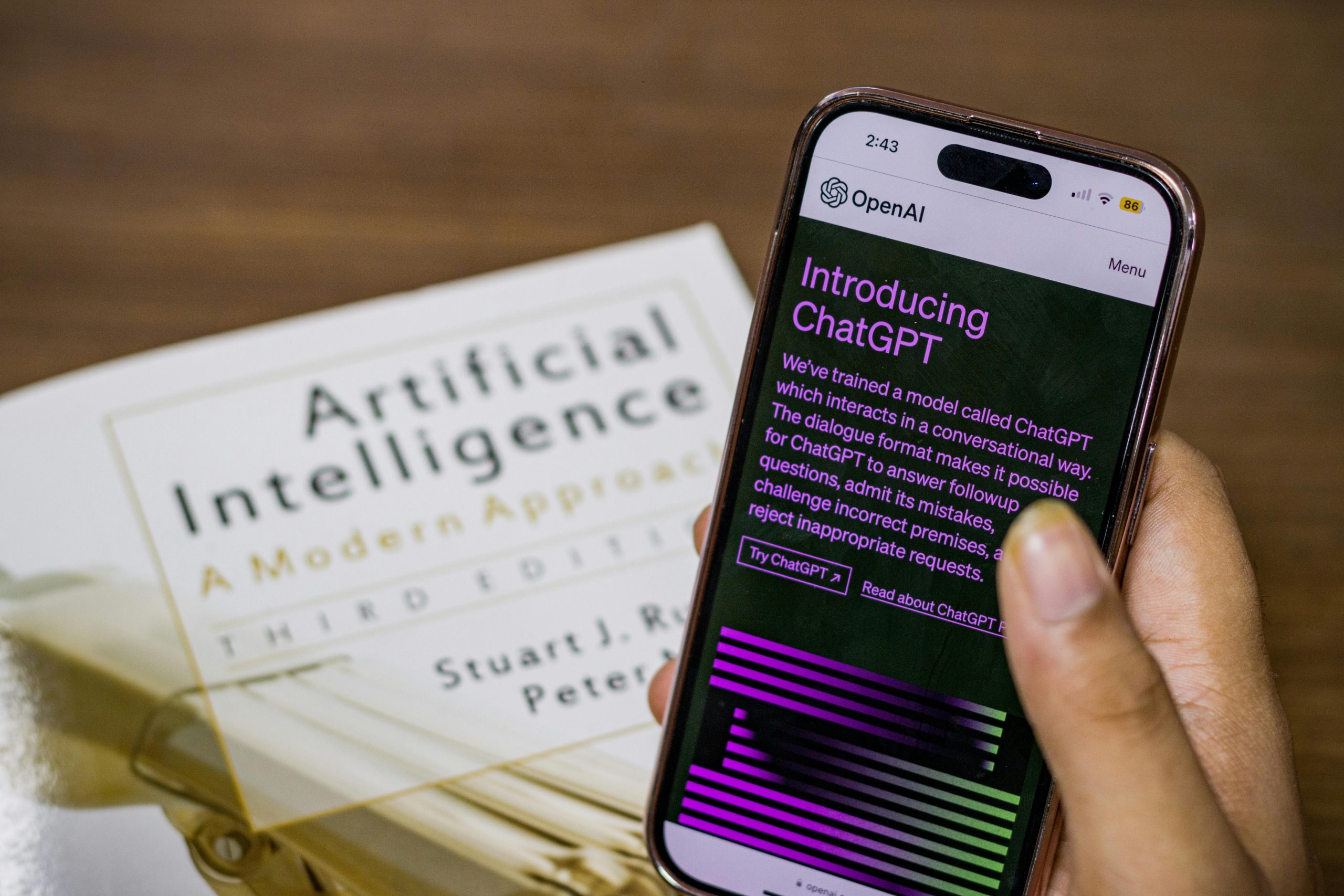
The integration of ChatGPT and advanced AI tools into the daily creative workflow in May 2026 marks a historic transition from “experimental novelty” to “mechanical necessity.” As we navigate today’s news, it is clear that the creative professional is no longer defined by manual execution, but by their ability to act as a “creative director” of synthetic systems. With over half of the U.S. workforce now utilizing generative AI, the industry has shifted toward a model where ideas move from prompt to output in seconds, effectively removing the “friction of the blank page.” This era of “Human-AI collaboration” is deeply relevant to current news, as major reports from Adobe and Microsoft highlight that AI is not just speeding up work—saving frequent users over nine hours per week—but fundamentally changing what it means to be a creator. Writers and designers are pivoting from being “producers” to “curators,” using tools like Claude for complex synthesis and Gemini for real-time research, ensuring that the heavy lifting of drafting, formatting, and basic research is handled by automated partners. This shift is a survival mechanism in a 2026 economy that demands hyper-personalized, multi-channel content at a speed that human hands alone cannot sustain, making AI the ultimate “intern with infinite stamina” for the modern brand manager. +1
Furthermore, the reason “How AI Is Becoming a Daily Work Tool” defines the 2026 professional landscape is rooted in its role as a combatant against the year’s pervasive “neural exhaustion.” By automating repetitive, low-value tasks, AI tools provide the “cognitive stillness” necessary for professionals to focus on high-level strategy and emotional storytelling—skills that remain uniquely human. In today’s headlines, we see the rise of “agentic AI,” where autonomous systems no longer just chat, but actively plan and execute complex marketing funnels, turning a single webinar into a month’s worth of social content across ten different platforms. This “efficiency of elegance” aligns perfectly with the year’s broader “quiet luxury” and “Skin-First” aesthetics, as creators trade cluttered, exhausting workflows for streamlined, intelligent systems that prioritize quality and brand control. However, as “AI slop” saturates the public feed, the most valuable status symbol in 2026 has become the “human-in-the-loop” signature—the refined, authentic touch that proves a person, not just a model, guided the vision. The victory of this era belongs to those who view ChatGPT and its peers not as a replacement for creativity, but as a catalyst that removes the drudgery of the craft, allowing the individual to reclaim their time and return to the heart of what makes work meaningful: the connection between one human mind and another. +1