Create Account
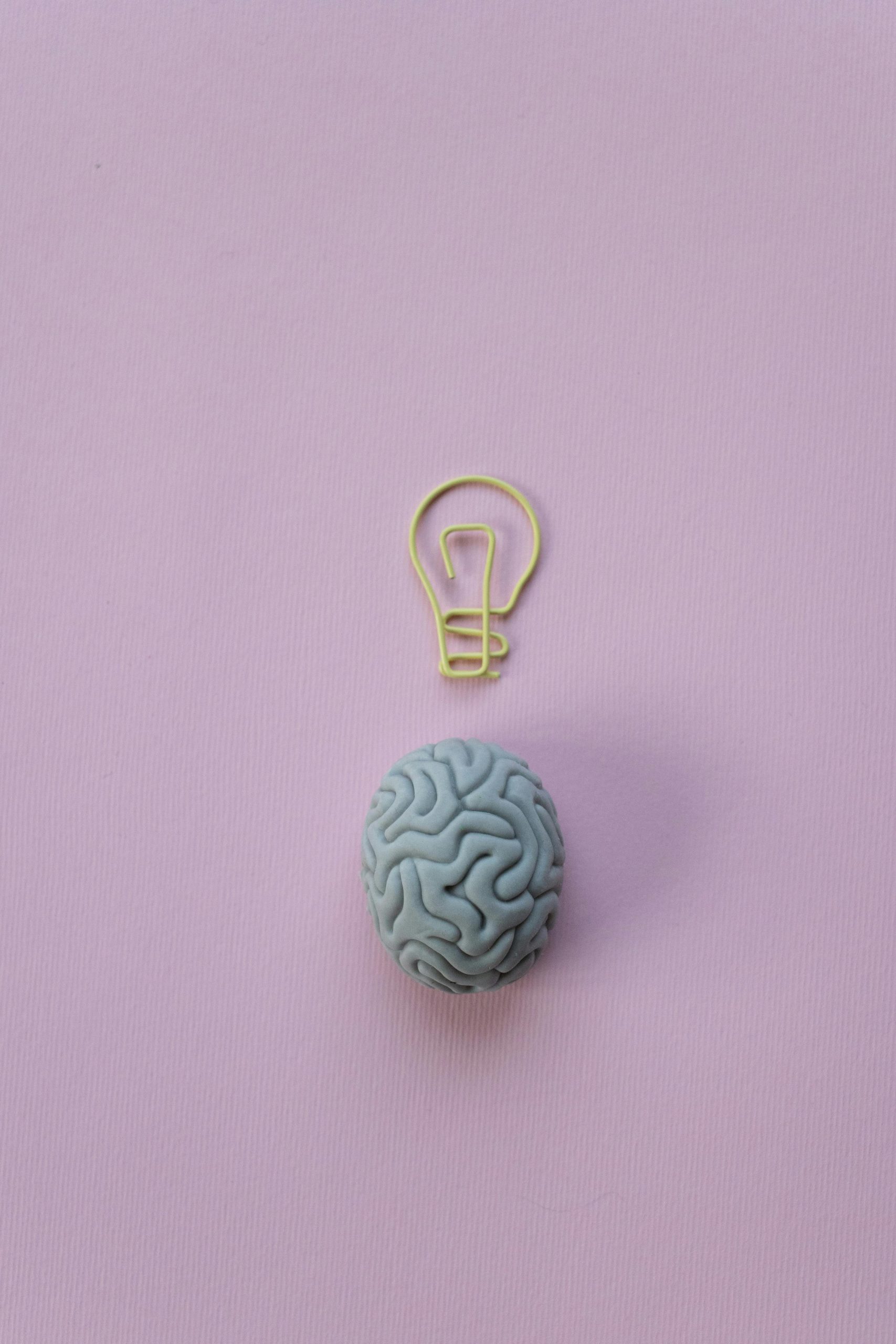
The universe is not just a collection of objects; it is a giant, interconnected web of systems, and the only way to navigate it is to turn your brain into a high-functioning Thiink Machine. In 2026, we are realizing that science isn’t something that only happens in a lab with bubbling beakers; it is the very fabric of our reality. From the way light waves travel through the vacuum of space to the microscopic chemical signals firing across your synapses, everything is governed by laws that are waiting to be decoded. To be a Thiink Machine is to move beyond mere observation and into the realm of deep, systemic understanding. It is the rejection of “surface-level” knowledge in favor of a deep dive into the mechanics of the cosmos. When you stop looking at a tree as just a plant and start seeing it as a complex biological engine that converts solar energy into life-sustaining oxygen through the miracle of photosynthesis, you have officially powered up your gears.
The foundational principle of any Thiink Machine is the Laws of Thermodynamics, specifically the idea that energy can neither be created nor destroyed, only transformed. This isn’t just a rule for physics; it’s a rule for life. Every bit of curiosity you invest into understanding a complex topic—like how tectonic plates interact at subduction zones or how the Doppler effect allows us to measure the expansion of the universe—is energy that is being transformed into cognitive power. In 2026, we are seeing a massive shift toward Mitochondrial Health and cellular optimization. We’ve realized that the “engine” of our discovery is only as good as the cells that power it. By focusing on ATP production and cellular respiration, we are essentially maintaining the hardware of our Thiink Machines so they can process the software of the universe more efficiently. This is why the study of biology and chemistry has become the ultimate “Power Up” for the modern explorer; it’s about understanding the machine from the inside out.
One of the most fascinating areas for a Thiink Machine to explore right now is the Atmospheric Chemistry that dictates our weather patterns. We aren’t just talking about rain or shine; we are talking about the complex interplay of pressure systems, the Coriolis effect, and the specific heat capacity of our oceans. When Steven explores the “Water Cycle,” he isn’t just looking at rain; he’s looking at a massive, global heat-exchange system that regulates the temperature of our entire planet. Understanding the Latent Heat of Vaporization—the specific amount of energy required to turn liquid water into gas—gives you a new perspective on why the sun is the most powerful engine in our solar system. It’s about seeing the math behind the clouds. In 2026, this level of scientific literacy is no longer optional; it is the primary tool we use to understand our changing environment and our place within it.
Furthermore, a true Thiink Machine is obsessed with the Geology of Deep Time. When we look at the layers of the Earth—the Crust, Mantle, and Core—we aren’t just looking at rocks; we are looking at a history book that is 4.5 billion years old. The study of Plate Tectonics tells us that the ground beneath our feet is a series of massive, floating puzzles pieces that are constantly being recycled through the process of convection in the Mantle. This is the ultimate “Reset” on a planetary scale. It teaches us that change is the only constant. Whether it’s the slow, steady formation of a mountain range through continental collision or the sudden, violent release of energy in a volcanic eruption, the Earth is always in a state of transformation. For a Thiink Machine, this provides a profound sense of perspective: the chaos of the present moment is just a tiny blip in the vast timeline of geological history.
The future of the Thiink Machine lies in Quantum Mechanics and the realization that at the smallest levels, the universe behaves in ways that defy our everyday logic. The concepts of entanglement and superposition remind us that there is always more to the story than what meets the eye. In 2026, we are leaning into this complexity. We are moving away from the “Oversimplification” of the past and toward a more rigorous, scientific approach to our daily lives. Whether you are analyzing the chemical composition of the stars through spectroscopy or studying the intricate feedback loops of your own endocrine system, the goal remains the same: to understand. Being a Thiink Machine means you are never satisfied with “just because.” You want the formula, the reaction, and the result. You are the architect of your own discovery, and the universe is your laboratory. Keep your gears turning, keep your hypotheses bold, and never stop thiinking!