Create Account
Every living thing on Earth—plants, animals, and humans—shares something remarkable inside its cells. It’s invisible to the naked eye, incredibly small, and yet powerful enough to shape how we look, grow, and function. This hidden blueprint is DNA. Understanding what’s inside DNA is like opening a microscopic instruction book that explains how life is built, maintained, and passed on from one generation to the next.
DNA, short for deoxyribonucleic acid, is found inside nearly every cell of a living organism. Even though it is tiny, DNA carries an enormous amount of information. It tells cells how to grow, what jobs to do, and when to divide. From eye color to height, from how plants make food to how animals heal wounds, DNA plays a role in almost everything that makes life possible.
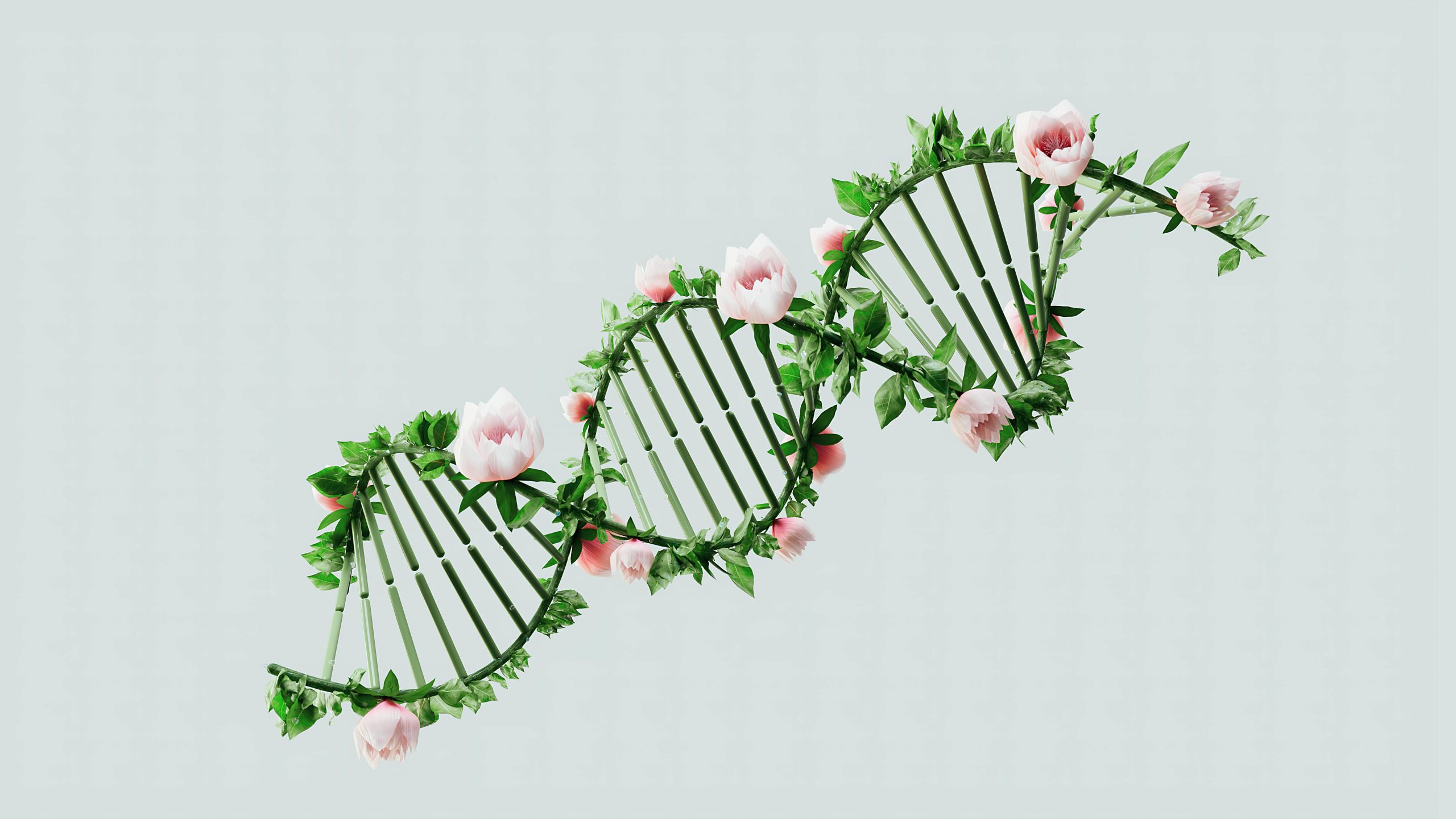
At its most basic level, DNA is shaped like a twisted ladder, often called a double helix. The sides of this ladder are made from repeating units of sugar and phosphate, forming a strong backbone that holds the structure together. The rungs of the ladder are made from pairs of chemical bases. There are four types of bases—adenine, thymine, cytosine, and guanine. These bases always pair in the same way: adenine with thymine, and cytosine with guanine. This precise pairing is what allows DNA to store information accurately.
The order of these base pairs is what makes DNA special. Just like letters in a sentence, different sequences of DNA bases create different instructions. Some sequences tell the body how to make proteins, which are the working molecules of life. Proteins build muscles, carry oxygen in the blood, help digest food, and support the immune system. Without DNA giving clear instructions, cells wouldn’t know which proteins to make or how to function properly.
DNA is organized into sections called genes. Each gene contains the instructions for a specific trait or function, such as making a certain protein or controlling a process in the body. Humans have thousands of genes, each playing a role in growth, development, and everyday life. While genes determine many traits, they also work together with the environment, meaning DNA provides the plan, but life experiences help shape the final result.
Inside the cell, DNA is carefully packed to fit into a very small space. It is wrapped around special proteins and folded tightly, forming structures called chromosomes. This packaging not only saves space but also protects DNA from damage. When a cell needs to read a specific gene, it carefully unwraps just that section, keeping the rest safely stored away.
One of the most amazing things about DNA is its ability to copy itself. When cells divide, DNA makes an exact copy so each new cell receives the same instructions. This copying process must be extremely accurate. If mistakes occur, they can lead to changes called mutations. Some mutations have no effect, some can cause problems, and others can lead to helpful changes that drive evolution over long periods of time.
DNA is also the reason living things can reproduce. Parents pass their DNA to their offspring, combining instructions to create new individuals. This is why children often resemble their parents, yet are still unique. Small differences in DNA sequences create variation, which is essential for the survival of species in changing environments.
Although DNA is stable, it is not completely unchanging. Throughout life, DNA can be influenced by factors such as radiation, chemicals, and even normal cell activity. Cells have repair systems that constantly fix damage, showing just how important DNA is to survival. When these repair systems fail, it can lead to diseases, including cancer, highlighting the delicate balance required to protect genetic information.
DNA doesn’t work alone. It interacts constantly with the cell and its environment. Signals from outside the cell can turn genes on or off, controlling when certain instructions are used. This means that not all DNA is active all the time. Cells specialize by using only the genes they need, allowing a skin cell, a muscle cell, and a nerve cell to perform very different roles—even though they all contain the same DNA.
What makes DNA especially fascinating is that it connects all life on Earth. The same basic DNA structure exists in humans, animals, plants, and even tiny bacteria. This shared code shows that all living things are related, tracing back to common ancestors long ago. The differences we see between species come from changes in DNA over immense periods of time.
Studying DNA has transformed science and medicine. It has helped scientists understand inherited diseases, develop new treatments, improve agriculture, and explore human history. DNA analysis can reveal family connections, track the spread of illnesses, and even help protect endangered species. All of this knowledge comes from studying something so small it can’t be seen without powerful tools.
Despite how much we’ve learned, DNA still holds mysteries. Scientists continue to explore how genes interact, how complex traits are controlled, and how genetic information shapes behavior and health. Each discovery reveals just how sophisticated and elegant this microscopic system truly is.
Inside DNA lies the story of life itself. It is a record of the past, a guide for the present, and a foundation for the future. Though tiny, DNA carries the instructions that make every living thing possible. Understanding what’s inside DNA helps us understand who we are, where we come from, and how deeply connected all life on Earth really is.