Create Account
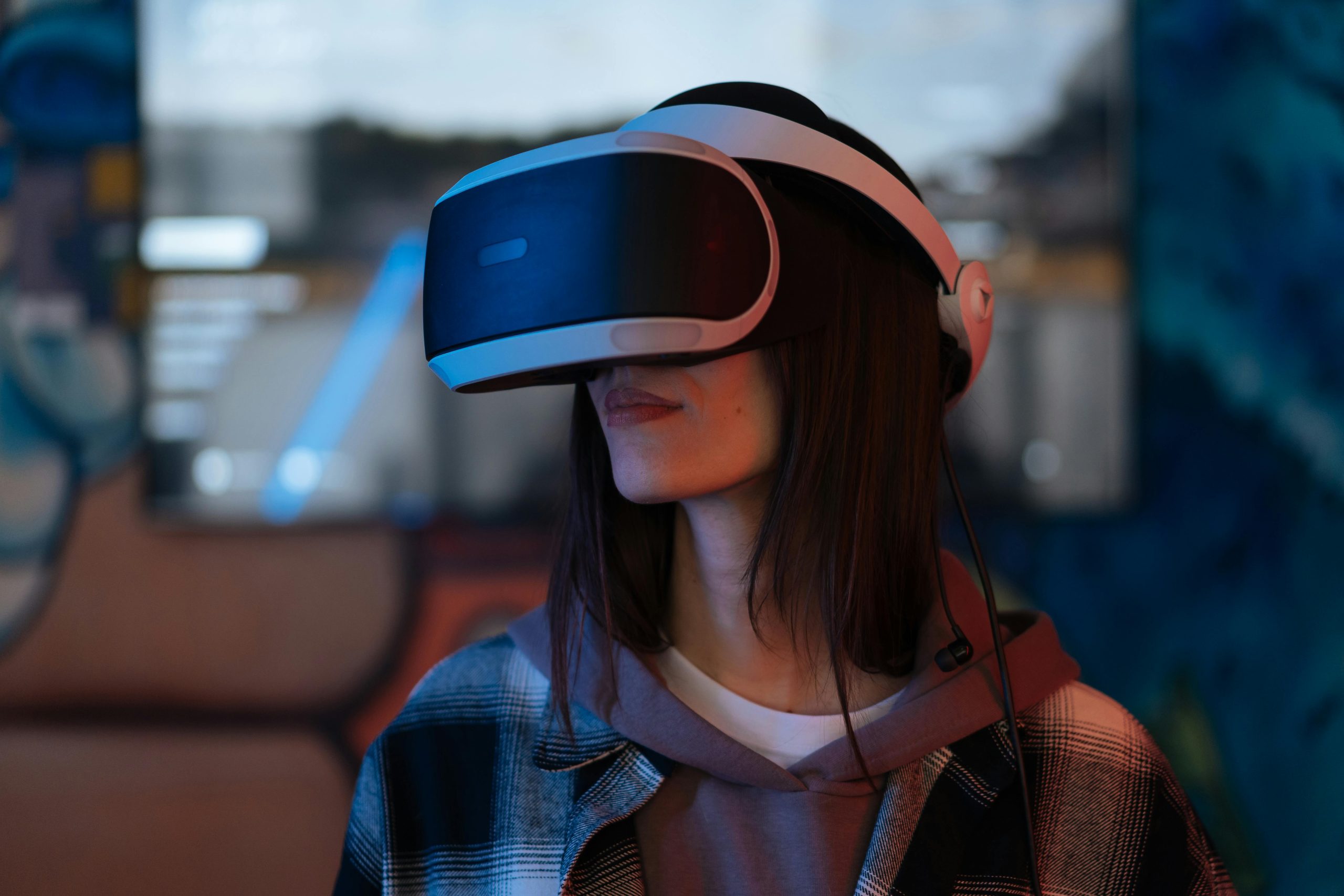
In 2026, the conversation around AI in entertainment is no longer hypothetical or experimental—it has become structural. Across Hollywood, discussions about AI-generated actors, synthetic performances, digital likenesses, and automated content production are moving from the edges of the industry into the center of it.
What changed is scale. AI tools are no longer limited to novelty clips or background experimentation. They are now capable of generating realistic voices, facial performances, scripts, visual environments, and even entirely synthetic personalities that can function across multiple platforms at once. The technology has advanced to the point where the entertainment industry can no longer treat it as temporary disruption—it has to treat it as infrastructure.
The most immediate tension is around identity and ownership. Actors, writers, and performers are increasingly questioning who controls a face, a voice, or a performance once it can be replicated digitally. A human performance used to exist in a fixed moment of production. Now, it can potentially be reproduced, modified, or extended indefinitely through AI systems.
This raises major ethical and legal questions. Can a studio recreate a younger version of an actor without ongoing participation? Can performances continue after a contract ends? Can entirely synthetic “actors” compete with human talent in commercial projects? These questions are no longer theoretical—they are becoming active industry concerns tied directly to contracts, unions, and intellectual property law.
At the same time, studios and platforms see enormous efficiency potential. AI can reduce production costs, accelerate post-production, localize content instantly across languages, and generate personalized variations of media for different audiences. For an industry increasingly shaped by streaming competition and content volume, those advantages are difficult to ignore.
But the deeper shift is cultural, not just technical. Entertainment has historically relied on the idea of human presence—the emotional connection audiences form with real performers. AI challenges that assumption by introducing performances that may feel emotionally convincing without originating from a traditional human process.
Audience reaction is split. Some viewers see AI-generated entertainment as innovation and inevitability, while others view it as a threat to creativity, authenticity, and artistic labor. This divide mirrors broader anxieties about automation in other industries, but entertainment makes the issue more visible because identity itself is part of the product.
There’s also a generational component. Younger audiences raised in highly digital environments are often more comfortable with virtual influencers, synthetic voices, and AI-assisted media. For them, the line between “real” and “digital” entertainment is already less rigid than it was for previous generations.
Importantly, AI entertainment is not replacing traditional entertainment overnight. Instead, it is blending into existing systems gradually—assisting production here, generating visuals there, replicating voices in another context. The transition is incremental, which is part of what makes it difficult to ignore. It’s not arriving all at once; it’s already integrating quietly into workflows audiences interact with every day.
Ultimately, “Why AI Entertainment Is Becoming Impossible to Ignore” reflects a larger reality about 2026: technology is no longer just supporting entertainment—it is beginning to reshape who creates it, who owns it, and what audiences consider “real” performance in the first place.