Create Account
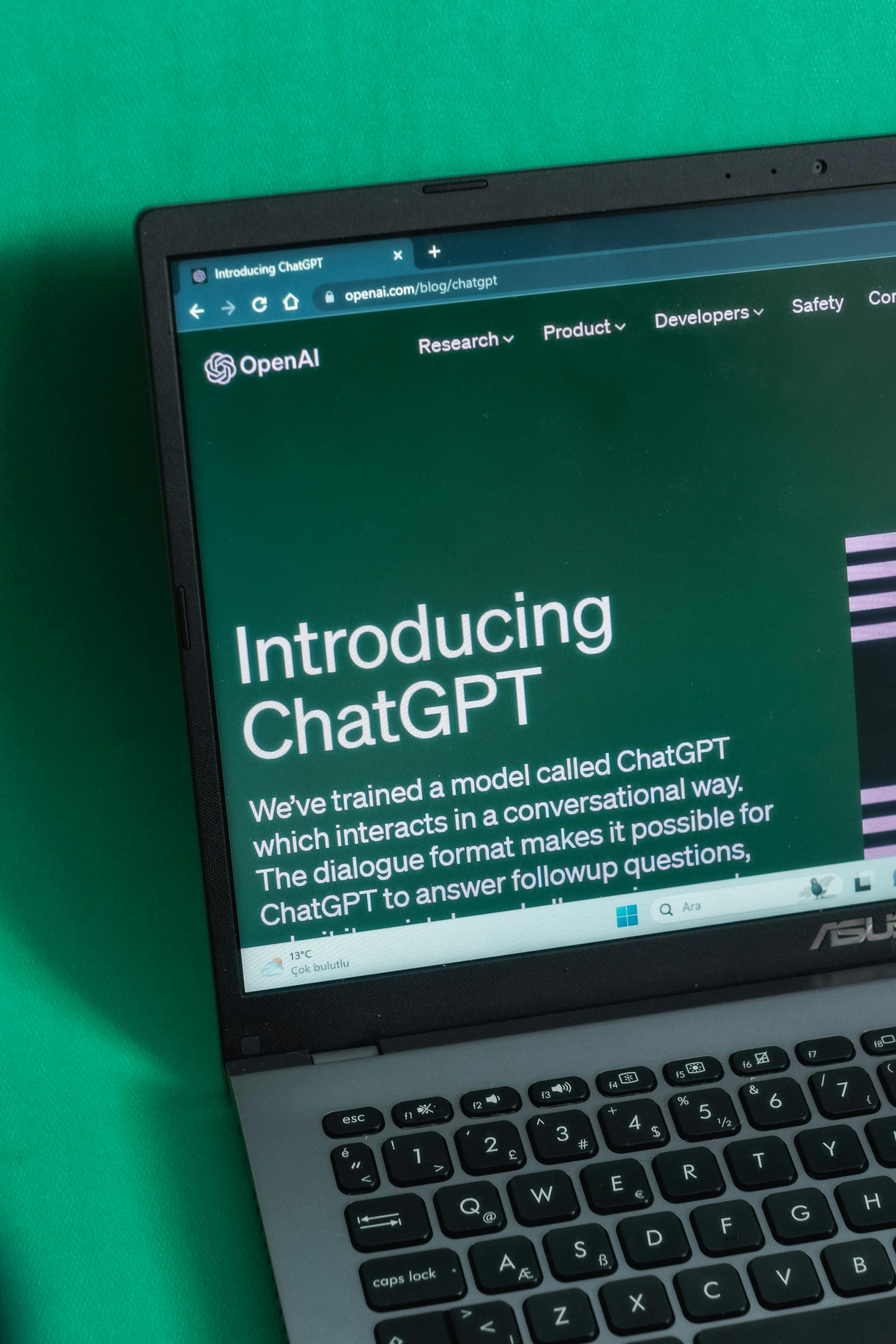
A Turning Point in AI Adoption
The rise of ChatGPT marks one of the most significant shifts in how humans interact with artificial intelligence. While AI has been embedded in technology for years—powering search engines, recommendation systems, and automation tools—ChatGPT brought AI directly into everyday conversation. By allowing users to interact with a machine through natural language, it transformed artificial intelligence from a background system into an accessible, interactive companion.
ChatGPT did not simply introduce a new product; it changed expectations. For the first time, millions of people experienced AI as something they could question, collaborate with, and learn from in real time. This shift has had wide-reaching implications across education, business, creativity, and software development, making ChatGPT a defining symbol of the current AI era.
What Is ChatGPT?
ChatGPT is a conversational artificial intelligence model developed by OpenAI and built on large language model architecture. It is designed to understand prompts written in natural language and generate coherent, context-aware responses. Unlike traditional chatbots that rely on scripted rules, ChatGPT uses deep learning to predict and generate language based on patterns learned from vast amounts of text data.
What sets ChatGPT apart is its ability to maintain context across interactions, adapt its tone to user intent, and support a wide range of tasks. From answering questions and explaining complex concepts to generating content and assisting with problem-solving, ChatGPT functions as a general-purpose AI assistant rather than a narrow tool.
Why ChatGPT Gained Rapid Adoption
ChatGPT’s rapid global adoption can be attributed to its simplicity and versatility. Users do not need technical expertise to engage with it. A simple question or instruction is enough to unlock sophisticated capabilities. This ease of use lowered the barrier to entry for AI, enabling students, professionals, creators, and casual users to benefit from advanced machine intelligence.
Another key factor is immediacy. ChatGPT provides instant responses, making it feel responsive and conversational rather than mechanical. This real-time interaction encourages experimentation and learning, allowing users to refine their prompts and explore ideas dynamically. As a result, ChatGPT quickly became embedded in daily workflows and creative processes.
Applications Across Industries
ChatGPT’s impact spans a wide range of industries. In education, it is used as a learning aid to explain concepts, generate study materials, and support personalized learning. Rather than replacing educators, ChatGPT often serves as a supplementary resource that helps students engage more deeply with subjects at their own pace.
In business environments, ChatGPT supports tasks such as drafting emails, summarizing documents, brainstorming ideas, and assisting with customer communication. Teams use it to accelerate routine work, freeing time for strategic thinking and decision-making. Developers also rely on ChatGPT for code explanations, debugging assistance, and rapid prototyping, making it a valuable productivity tool.
Creative professionals have embraced ChatGPT as well. Writers, marketers, and designers use it to generate ideas, refine messaging, and overcome creative blocks. While human creativity remains central, ChatGPT acts as a catalyst that expands possibilities rather than constraining them.
ChatGPT as a Collaborative Tool
One of the most important aspects of ChatGPT is its role as a collaborative partner rather than a replacement for human intelligence. Its value lies in augmentation. By handling repetitive or time-consuming tasks, ChatGPT allows humans to focus on judgment, creativity, and critical thinking.
Effective use of ChatGPT depends on human input. Clear prompts, thoughtful guidance, and contextual awareness significantly influence outcomes. This interaction highlights a broader trend in AI development: the most powerful systems are those that work alongside humans, adapting to their needs rather than operating independently.
A New Chapter in Human–AI Interaction
ChatGPT represents a milestone in the evolution of artificial intelligence. By enabling natural, conversational interaction with powerful AI systems, it has redefined how people access information and collaborate with machines. While challenges remain, its success demonstrates that AI is most transformative when it is accessible, intuitive, and designed to augment human potential.
As ChatGPT continues to evolve, it serves as a reminder that the future of AI is not just about smarter machines, but about building meaningful partnerships between humans and technology.