Create Account
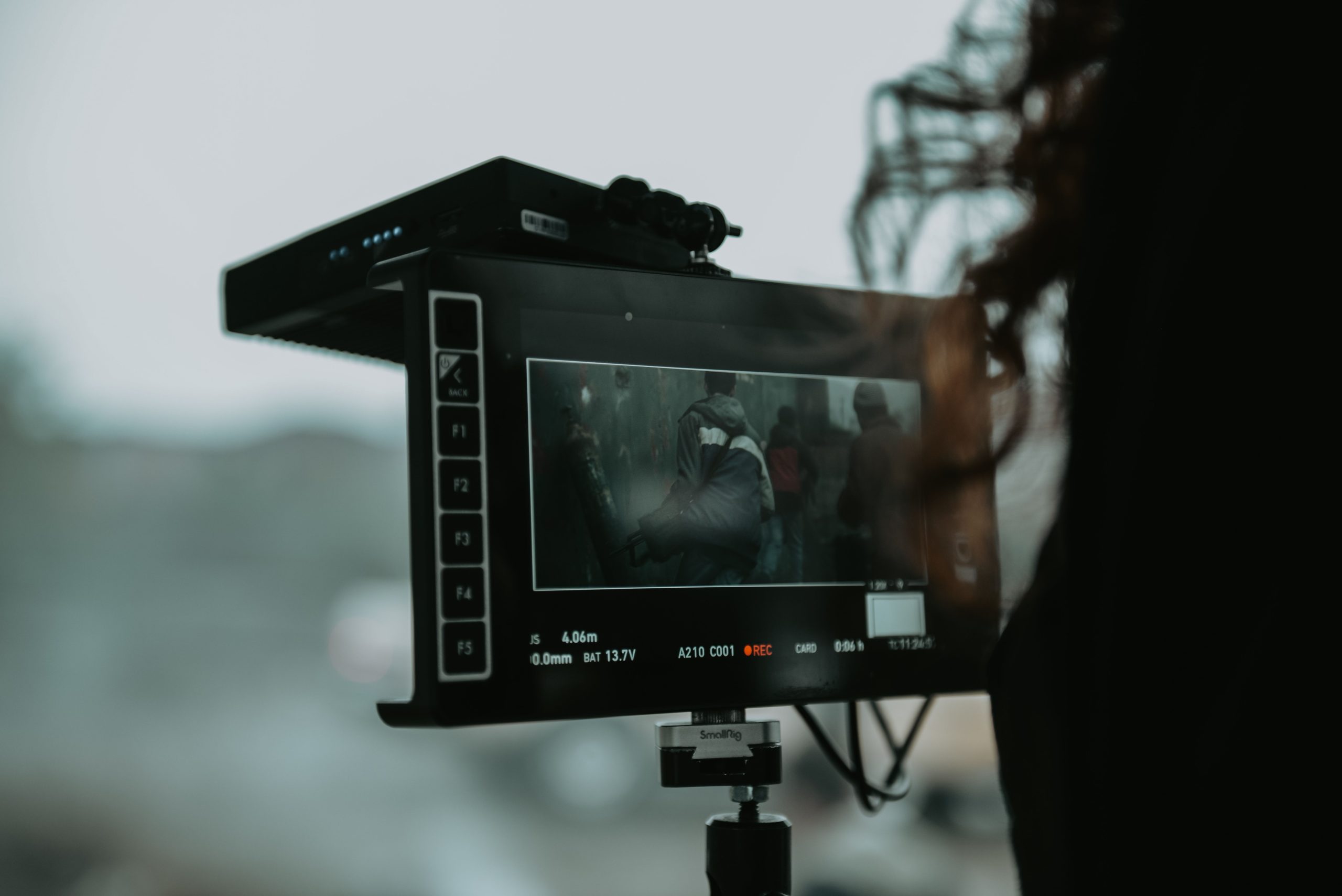
Artificial intelligence has become one of the most talked-about technologies in the world. From healthcare and education to finance and transportation, AI is transforming how industries solve complex problems. Hollywood is no exception. While conversations about AI in entertainment often focus on concerns about replacing human creativity, the reality inside many film studios is far more collaborative. Artificial intelligence is increasingly being used to support filmmakers, helping them work faster, solve technical challenges, and bring ambitious creative ideas to life.
Modern filmmaking is one of the most technologically advanced forms of storytelling. A single blockbuster may involve thousands of artists, editors, engineers, programmers, sound designers, animators, and visual effects specialists working together over several years. AI has become another tool within this creative ecosystem, assisting professionals rather than replacing the imagination and decision-making that make movies memorable.
One of AI’s most valuable contributions is helping filmmakers manage enormous amounts of information. A major production can generate hundreds of hours of video footage, multiple audio recordings, visual effects files, and countless production notes. AI-powered software can organize these materials, identify specific scenes, recognize faces, and search through footage in seconds, saving editors countless hours of manual work.
Video editing is one area where AI has become especially useful. Editors remain responsible for shaping the story, determining pacing, and selecting emotional moments, but AI can automate repetitive tasks such as synchronizing audio, identifying duplicate shots, stabilizing video, and suggesting scene groupings. These efficiencies allow creative teams to spend more time refining the story instead of handling technical processes.
Visual effects have also benefited significantly from artificial intelligence. Creating realistic digital environments often requires artists to complete thousands of repetitive adjustments. AI can assist by removing unwanted objects from scenes, enhancing image quality, generating clean backgrounds, and improving motion tracking. These tools speed up workflows while leaving artistic decisions in the hands of human creators.
Another growing application is animation. Machine learning algorithms can analyze natural human movement and help animators create smoother character motion. Rather than replacing animation artists, AI reduces time spent on repetitive frame adjustments, allowing animators to focus on emotional expression, storytelling, and character performance.
Sound production has experienced similar improvements. AI-powered software can reduce background noise, improve dialogue clarity, separate audio tracks, and restore damaged recordings. This technology is particularly valuable when filming takes place in busy environments where unwanted sounds may interfere with conversations.
Language technology has expanded the global reach of entertainment as well. AI-assisted translation, captioning, and dubbing tools help productions reach international audiences more efficiently. Human translators and voice professionals continue to play critical roles, but AI helps accelerate the technical aspects of multilingual production.
Pre-production has become another area where smart technology contributes. Some AI tools assist filmmakers by analyzing scripts, organizing production schedules, estimating budgets, and identifying potential logistical challenges before filming begins. These systems provide useful information that helps production teams make informed decisions while leaving creative choices to directors and producers.
Virtual production has become one of the industry’s most exciting technological advances. Massive LED walls display digital environments in real time, allowing actors to perform inside immersive virtual worlds rather than in front of traditional green screens. AI contributes by optimizing rendering performance, improving lighting simulations, and helping digital environments respond naturally as cameras move.
This technology combines computer science, graphics engineering, and machine learning to create filmmaking experiences that were nearly impossible just a decade ago. Directors can see realistic environments while filming, making creative decisions immediately instead of waiting for months of post-production work.
AI is also helping preserve and restore classic films. Older movies often suffer from scratches, fading, damaged audio, and degraded film quality. Machine learning systems can assist restoration experts by improving image resolution, reducing imperfections, and recovering visual details while respecting the integrity of the original work.
Importantly, AI does not generate great stories on its own. Storytelling remains fundamentally human. Emotional performances, meaningful dialogue, memorable characters, and creative vision still depend on writers, actors, directors, cinematographers, editors, composers, and countless other creative professionals.
Leading filmmakers frequently describe AI as another production tool, similar to cameras, editing software, or computer-generated imagery. Like previous technological innovations, its value depends on how thoughtfully people choose to use it.
Companies such as Industrial Light & Magic and Weta FX continue exploring advanced technologies that combine computer graphics, machine learning, and engineering to expand what filmmakers can create while maintaining strong artistic direction.
The growing relationship between AI and filmmaking also highlights the importance of STEM education. Careers in software engineering, artificial intelligence, robotics, mathematics, computer graphics, and data science are becoming increasingly connected to the entertainment industry. Students interested in technology may find exciting opportunities helping create the next generation of cinematic experiences.
Ethical discussions remain important as AI continues evolving. Questions surrounding copyright, performer rights, transparency, and responsible use are actively being discussed throughout the industry. Many organizations emphasize that technological progress should support creative professionals while respecting their contributions and intellectual property.
Ultimately, the smartest technology in Hollywood is not replacing imagination—it is expanding what imagination can accomplish. Artificial intelligence helps filmmakers overcome technical limitations, streamline production, and focus more of their energy on storytelling.
The future of cinema will likely combine human creativity with intelligent technology in ways that make films more immersive, visually stunning, and emotionally engaging than ever before. Behind every unforgettable movie will still be talented people making creative decisions—now supported by tools that help turn bold ideas into reality.
References
- Academy of Motion Picture Arts and Sciences – Science and Technology Resources
- IEEE – Artificial Intelligence and Engineering Publications
- Association for Computing Machinery – AI and Computer Graphics Research
- Industrial Light & Magic – Virtual Production and Visual Effects Technology
- National Science Foundation – Artificial Intelligence Research Resources
- MIT Technology Review – Artificial Intelligence and Emerging Technology Coverage