Create Account
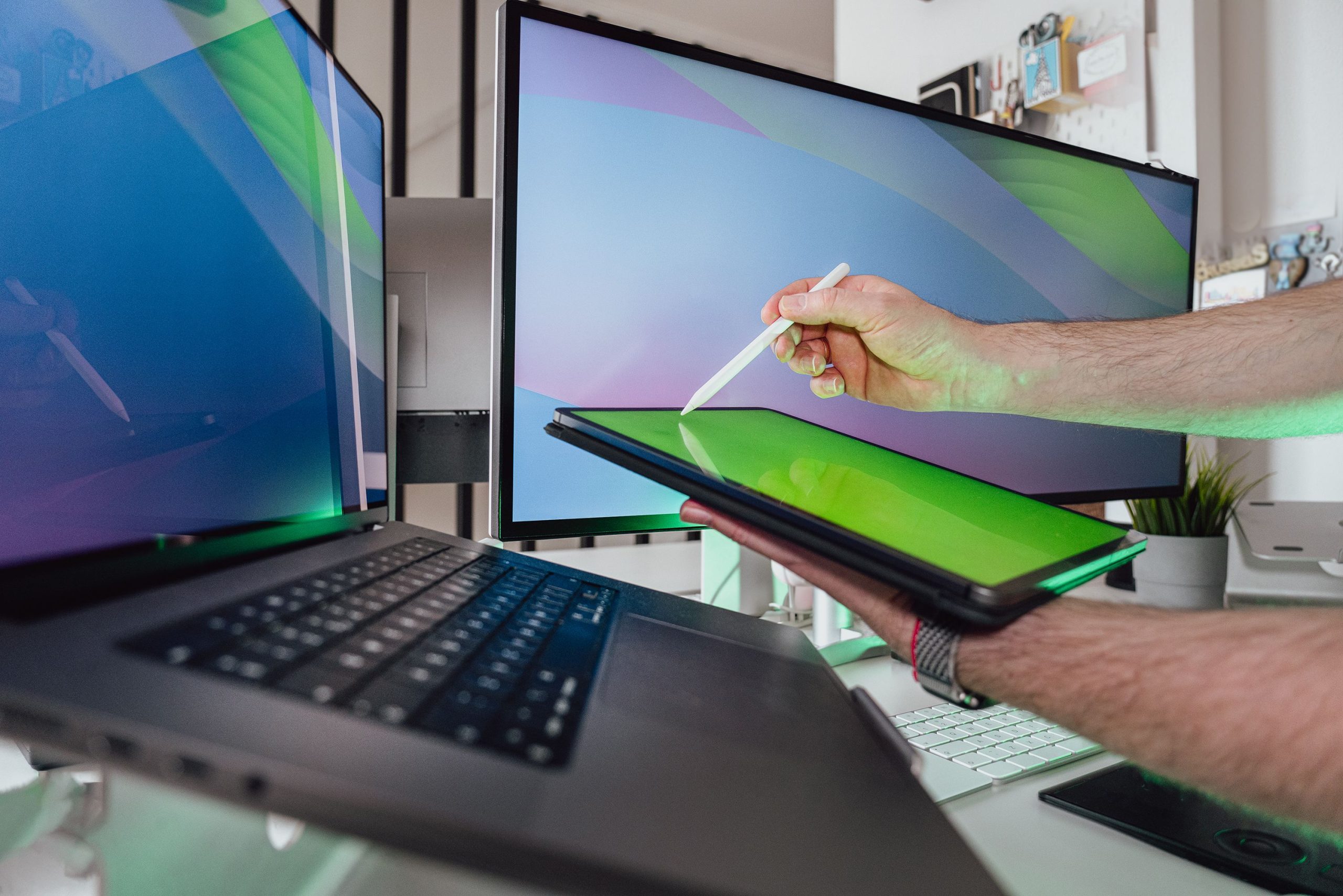
For centuries, creativity has depended on imagination, skill, and the tools available to artists. From traditional painting techniques to advanced filmmaking equipment, every generation of creators has used technology to expand what is possible.
Today, a new wave of creative tools is transforming how artists, filmmakers, designers, and storytellers bring ideas from imagination to reality. Artificial intelligence, virtual production, digital design platforms, and advanced editing technologies are changing the creative process while giving more people the ability to create professional-quality work.
Technology is no longer just supporting creativity—it is becoming part of the creative process itself.
The biggest change is accessibility. In the past, producing a film, designing professional visuals, or creating complex digital experiences often required expensive equipment, large teams, and specialized facilities. Today, many creators can develop impressive projects using tools available on computers, tablets, and even smartphones.
This democratization of creativity has opened opportunities for independent artists, small teams, and emerging creators who previously faced major barriers.
Artificial intelligence has become one of the most discussed technologies in the creative world. AI-powered tools are helping creators brainstorm ideas, generate concepts, organize workflows, enhance visuals, and experiment with new forms of storytelling.
Rather than replacing creativity, many artists are using AI as a collaborative tool. It can help speed up repetitive tasks, provide inspiration, and allow creators to explore possibilities faster.
For filmmakers, AI is being used in areas such as pre-production planning, visual effects, editing assistance, and content analysis. Directors and production teams can test ideas, visualize scenes, and experiment with creative choices before filming begins.
This allows creators to spend more time focusing on storytelling and artistic decisions.
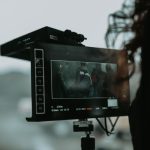
Virtual production has also transformed modern filmmaking. Instead of relying entirely on traditional sets and locations, filmmakers can now combine physical performances with digital environments displayed through advanced LED screens and real-time graphics technology.
This approach allows actors to perform inside realistic virtual worlds while directors can see the final environment during filming. It creates new possibilities for storytelling while reducing some of the limitations of traditional production.
The technology behind virtual production became widely recognized through major film and television projects, demonstrating how digital environments can become an essential part of modern filmmaking.
Animation and visual effects have experienced significant advancements as well. New software tools allow artists to create more realistic characters, environments, and effects while improving efficiency.
Small creative teams can now achieve results that once required massive production resources. This has expanded opportunities for independent filmmakers, game developers, and digital artists.
Designers are also benefiting from new creative technologies. Digital design platforms, 3D modeling tools, and generative systems allow creators to experiment with concepts quickly and develop new ideas more efficiently.
For architects, product designers, and visual artists, these tools provide new ways to visualize concepts before creating final products.
The rise of digital content creation has also changed how creators distribute their work. Platforms for video, social media, and online communities allow artists to reach global audiences without traditional gatekeepers.
A creator with a unique idea can now share their work internationally, build a following, and develop a career through digital platforms.
This shift has contributed to the growth of the creator economy, where individuals are building businesses around their skills, creativity, and personal brands.
Technology has also changed collaboration. Teams no longer need to work in the same physical location to create professional projects. Cloud-based platforms, digital workspaces, and remote collaboration tools allow creators from different countries to work together.
This global approach has expanded creative possibilities by connecting people with different skills, perspectives, and experiences.
However, the rise of creative technology also brings important conversations about originality, ownership, and the role of human creativity.
As AI-generated content becomes more common, creators and industries are exploring questions about copyright, artistic ownership, and how technology should be used responsibly.
Many artists believe that the future of creativity will depend on collaboration between humans and technology. While machines can assist with processes and generate possibilities, human creativity remains essential for emotion, storytelling, and meaningful expression.
The strongest creative work often comes from combining technological innovation with human perspective.
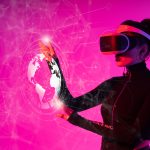
Creators are also using technology to experiment with entirely new forms of entertainment. Interactive experiences, virtual reality, augmented reality, and immersive storytelling are creating opportunities that go beyond traditional movies, television, and artwork.
Audiences are no longer only watching stories—they are increasingly participating in them.
The future of creativity will likely belong to those who can combine imagination with technological understanding. Artists who learn how to use new tools effectively will have more opportunities to explore ideas, reach audiences, and create experiences that were previously impossible.
Technology is changing the creative process, but the purpose of creativity remains the same: telling stories, expressing ideas, and connecting with people.
The tools may continue evolving, but imagination will always be the force that brings them to life.
References
- MIT Technology Review – Artificial Intelligence and Emerging Technology Research
- Adobe – Creative Technology and Digital Design Insights
- Deloitte – Technology, Media, and Entertainment Industry Research
- McKinsey & Company – Generative AI and Creative Industry Analysis
- The Hollywood Reporter – Film Technology and Entertainment Industry Coverage
- NVIDIA – AI, Graphics, and Creative Technology Research