Create Account
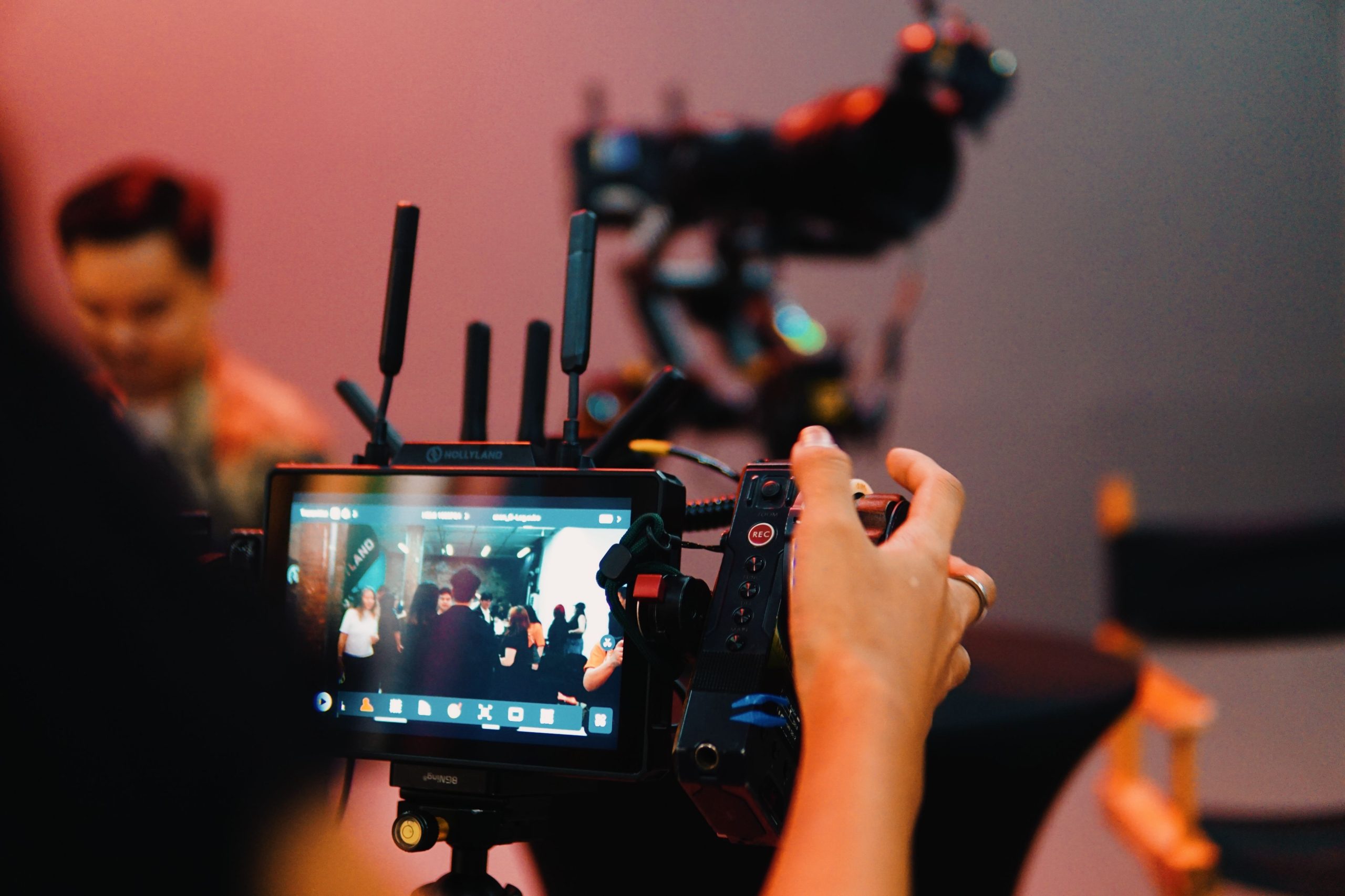
Hollywood blockbusters may look like pure movie magic, but behind many of the industry’s biggest spectacles is an extraordinary amount of engineering. Explosions, futuristic cities, impossible creatures, massive action sequences, and realistic digital worlds depend on teams of engineers, technicians, programmers, artists, and scientists working together to turn creative ideas into something audiences can actually see on screen.
Modern filmmaking has become a highly technical discipline. Directors may imagine a scene that appears physically impossible, but engineers and technology specialists are responsible for figuring out how to make that vision work. The result is a production process that combines traditional filmmaking with robotics, computer science, physics, materials engineering, and advanced digital systems.
Virtual production has become one of the most important examples of this transformation. Instead of relying entirely on physical sets or traveling to distant locations, filmmakers can use large LED screens to create digital environments around actors. These systems allow performers to appear inside locations that may not exist in the real world while cameras capture the scene in a way that responds naturally to the virtual environment.
The technology requires precise coordination between cameras, lighting, computer graphics, and real-time rendering. Engineers ensure that the digital environment reacts correctly as the camera moves, creating a convincing connection between the physical and virtual worlds.
Computer-generated imagery has also transformed what filmmakers can accomplish. Digital artists can construct environments, creatures, vehicles, and entire worlds that would be impossible or extremely expensive to create physically. But convincing visual effects require more than artistic skill. Teams often rely on physics simulations to reproduce realistic movement, lighting, water, smoke, fire, destruction, and other natural phenomena.
Physics has become an invisible character in modern filmmaking.
When a building collapses on screen, for example, digital simulations can calculate how materials might break, fall, collide, and interact with their surroundings. When water crashes against a character or vehicle, computer models can simulate thousands of individual particles to create a more realistic result.
Robotics has also become increasingly useful on film sets. Specialized robotic camera systems can perform extremely precise movements that would be difficult for human operators to repeat. These machines can capture high-speed action, complex camera paths, and perfectly synchronized movements, giving filmmakers greater creative control.
Motion capture technology provides another connection between engineering and entertainment. Sensors and cameras can record an actor’s movements and translate them into digital characters. This allows performers to bring virtual creatures and fictional characters to life while maintaining realistic body movement and expression.
Artificial intelligence is beginning to introduce another layer of technological innovation. AI-assisted tools can help with tasks such as image generation, editing, visual effects, production planning, and content organization. While these technologies continue to raise important creative and legal questions, they are becoming part of the broader conversation about how entertainment will be produced in the future.
Sound engineering is equally important. Explosions, futuristic machines, spaceships, and imaginary environments often require carefully designed audio rather than recordings of real-world sounds. Sound designers combine recordings, digital processing, and acoustic techniques to create experiences that feel believable even when the source does not exist.
Lighting technology has evolved alongside these developments. Advanced LED systems and digital lighting tools allow filmmakers to create precise environments and adjust color, intensity, reflections, and shadows in real time. This gives production teams greater flexibility while helping digital and physical elements blend together naturally.
The result is a filmmaking environment where creative and technical disciplines increasingly overlap. Engineers are no longer working somewhere far removed from the creative process. Their expertise can directly influence how a story is visualized, how actors interact with environments, and what audiences ultimately experience.
This evolution also demonstrates how entertainment can push technology forward. Film productions often require specialized solutions to problems that do not exist in ordinary industries. The demand for more realistic visual effects, faster rendering, advanced cameras, and immersive environments can encourage the development of new tools and techniques.
The next generation of Hollywood spectacles will likely become even more dependent on engineering. Real-time graphics, robotics, artificial intelligence, virtual production, advanced materials, and immersive technologies are opening possibilities that filmmakers of previous generations could only imagine.
Behind every impossible cinematic moment is often a very real engineering problem that someone had to solve.
Hollywood may sell the magic.
But engineering helps make the magic possible.